





Export Product Monitoring System (MES): A Smart Export Product Management Tool
In the era of Industry 4.0, the control and management of production processes have become increasingly critical. This is where the Manufacturing Execution System (MES) plays an indispensable role, acting as a bridge between people and machines, and between the past and the future.
To gain a deeper understanding of MES, we will explore its structure, implementation and operational processes, potential risks and challenges, as well as applicable technological advancements.
In this article, Bestray Cable Tray shares key insights into MES, helping you grasp essential information and prepare for today’s era of industrialization.
1. Introduction to the Manufacturing Execution System (MES)
A production monitoring system, also known as MES, is an indispensable component of modern industry; it is an information system—part of the broader production system—that helps manage and control daily manufacturing operations within a factory or company.
The purpose of an MES is to enhance production efficiency, minimize waste, and improve product quality. Some key benefits include:
- Optimizing production processes: MES helps enterprises monitor, control, and improve production processes, from input to output.
- Improving product quality: With an integrated quality control system, MES helps enterprises detect and rectify quality issues in a timely manner.
- Enhanced performance: By providing real-time information on production status, MES enables managers to make quick and accurate decisions.
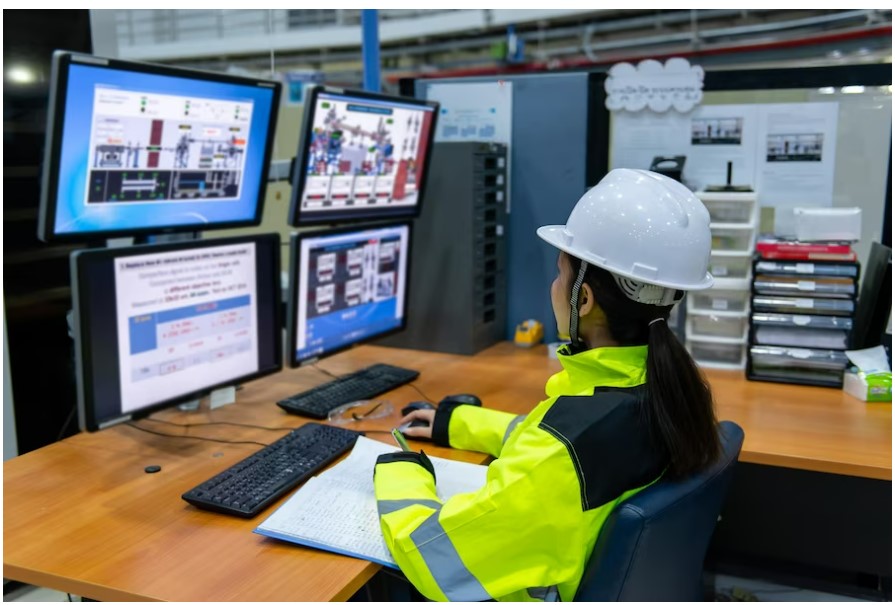
In summary, a production monitoring system is a crucial tool that helps businesses enhance production efficiency and competitiveness in an increasingly fierce market.
2. Exploring the structure and technology of MES
A Manufacturing Execution System (MES) is composed of various components, each playing a specific and vital role. Understanding the structure and technology of an MES not only helps optimize production processes but also supports the management and improvement of operational performance.
- Production Management Module: This component oversees and controls daily production processes, ensuring that everything proceeds according to plan and established quality standards.
- Order Management Module: This component manages information related to orders, including tracking order fulfillment progress and providing data for the production process.
- Quality Control (Quality Control Module): Ensures that products meet quality requirements and standards. Any deviations are recorded and addressed in a timely manner.
- Production Scheduling (Scheduling Module): Responsible for planning and scheduling production tasks, thereby helping to optimize resource utilization.
- Materials Inventory Management Module: Manages inventory levels and ensures a sufficient supply of raw materials to maintain the production process.
- Documentation and Reporting Module: Collects and analyzes data from the entire system to generate reports useful for management and decision-making.
- Maintenance Management Module: Monitors the condition of machinery and equipment and schedules periodic maintenance.
- Communications Module: Responsible for transmitting information between different components within the system and between the system and other stakeholders.
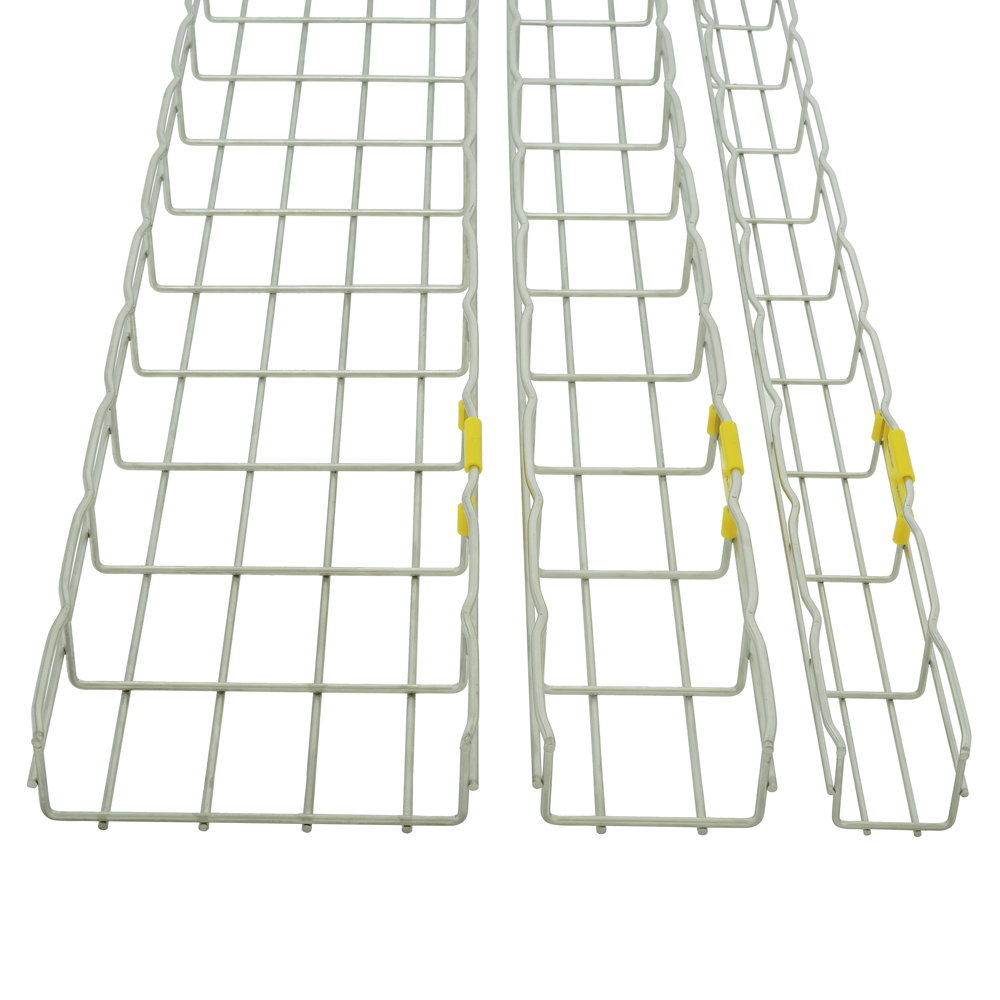
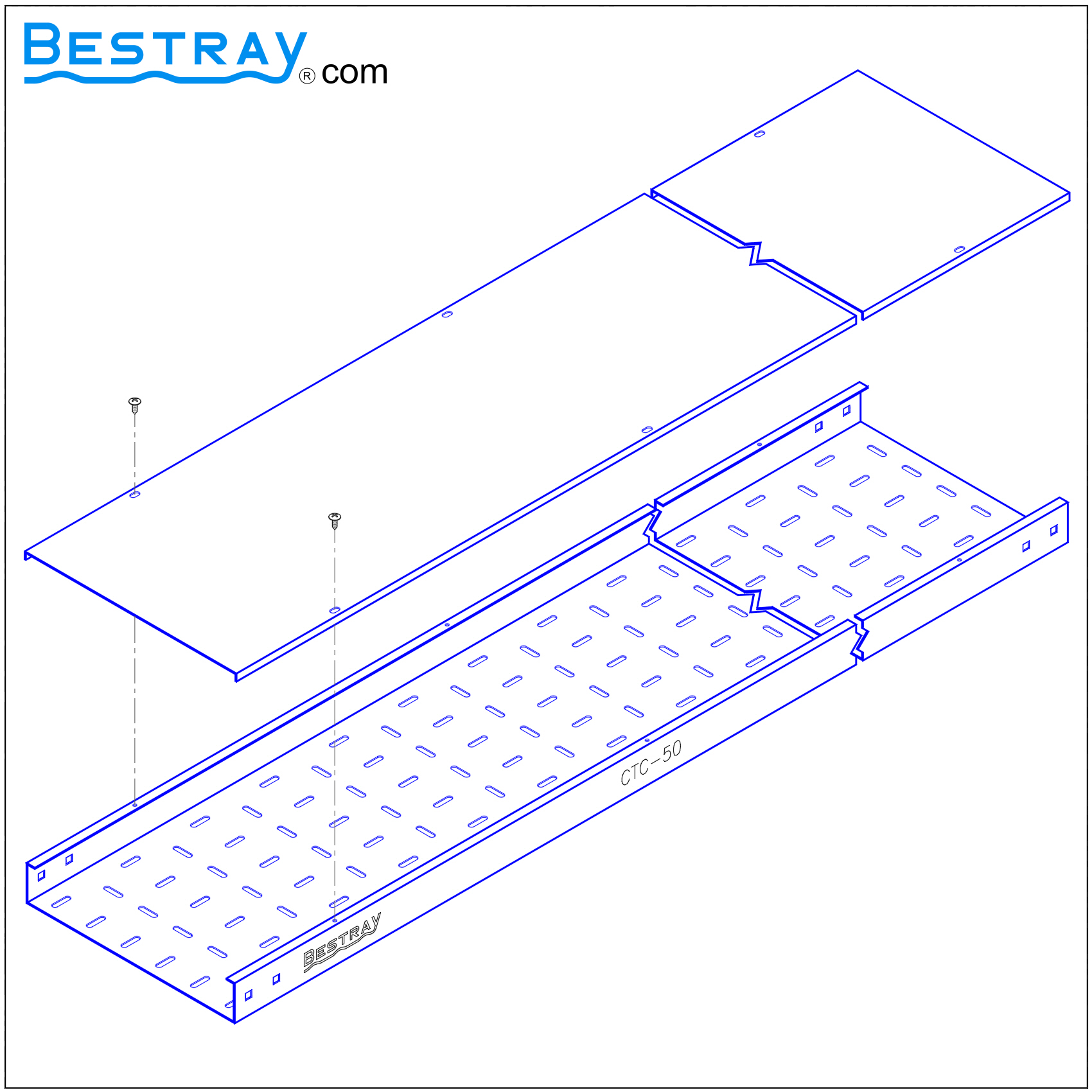
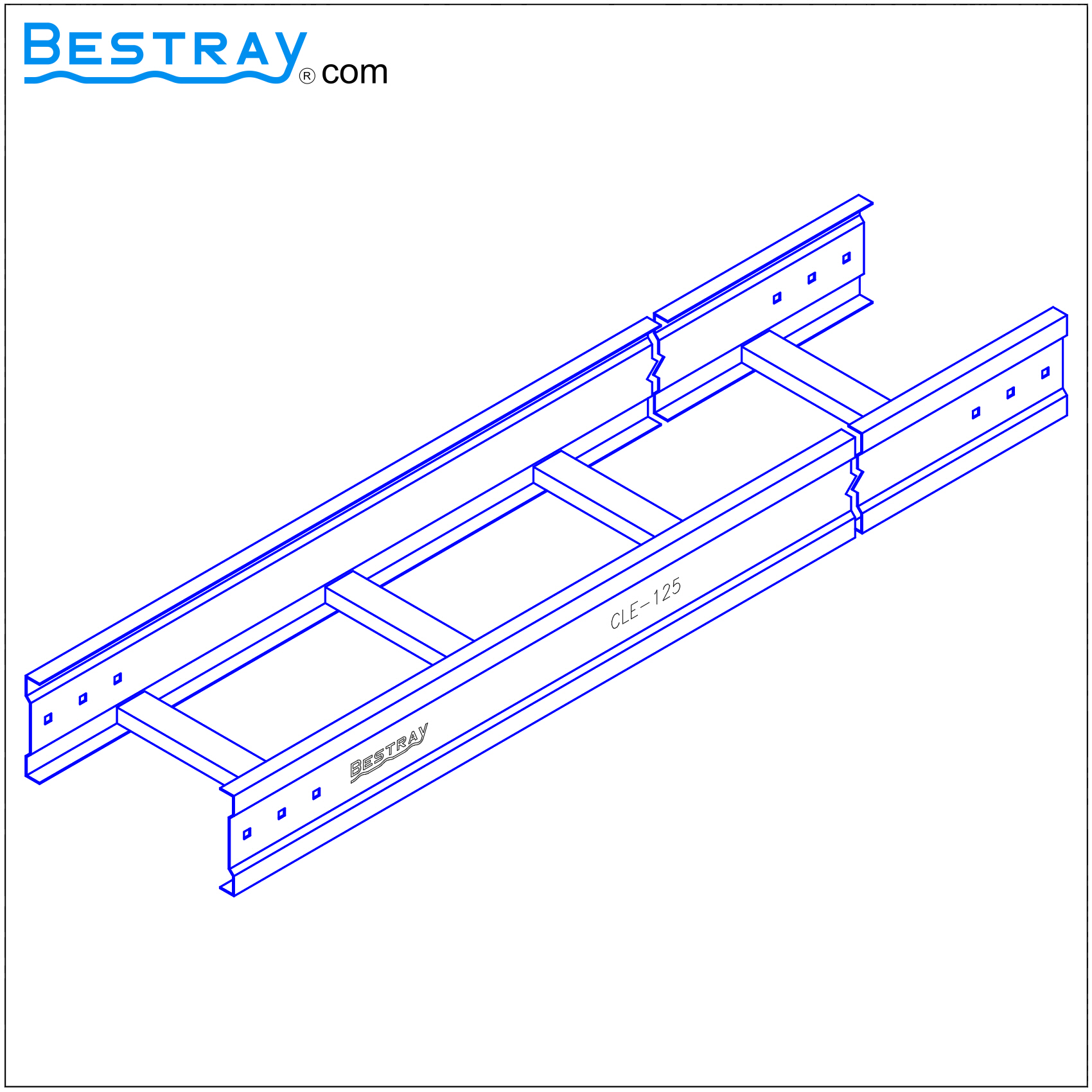
- Cable management systems (cable trunking, wire mesh trays, cable trays, cable ladders): Support connectivity and data transmission between components and equipment within the system.
In particular, the application of advanced technologies—such as IT, IoT, and artificial intelligence—within MES components helps enhance the capabilities for monitoring, managing, and improving production processes.
3. MES implementation and operation process for enterprises
The implementation and operation of a Manufacturing Execution System (MES) require care and thorough preparation. This not only ensures the system operates effectively but also enables the business to maximize the benefits derived from using MES.
- Selection: Deciding on a production monitoring system that meets the enterprise’s specific needs. The choice should be based on factors such as compatibility with existing systems, scalability and flexibility, as well as reliability and vendor support.
- Cost assessment: Calculate the costs associated with purchasing, installing, operating, and maintaining the system. Consider not only the initial costs but also long-term expenses.
- Installation: Set up the system and ensure it operates correctly within the enterprise’s production environment. This process may require support from the vendor or a professional IT team; additionally, for large-scale monitoring systems, the installation of cable protection systems—such as cable trunking, cable ladders, cable trays, or wire mesh trays—should be considered to ensure the stability of cabling and signal transmission.
- Staff training: Train employees on how to use the new system. Thorough training will help enhance performance and minimize the likelihood of errors.
- System maintenance: Perform periodic maintenance to ensure the system operates smoothly. Additionally, update and upgrade the system as necessary to keep it modern and efficient.
- Security and Regulatory Compliance: It is essential to ensure that the production monitoring system complies with regulations regarding security and data management. At the same time, specific security measures must be implemented to protect the system and the enterprise’s valuable data from threats.
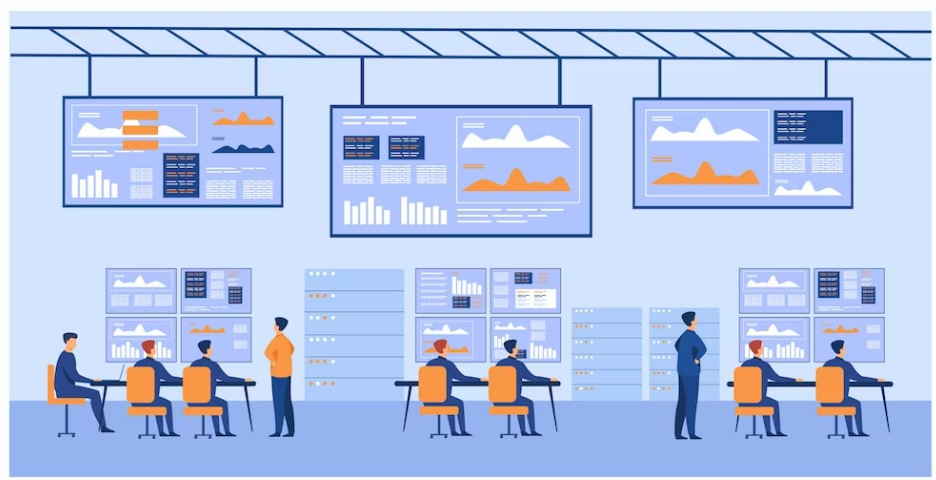
In summary, the implementation and operation of a production monitoring system require care and thorough preparation. However, with the right preparation, an MES can deliver significant benefits to the business.
4. Risks and challenges in implementing a production monitoring system
Implementing a Manufacturing Execution System (MES) can bring numerous benefits to a business, yet it is not without risks and challenges. Understanding these issues enables businesses to prepare more effectively, minimize potential problems, and fully leverage the system’s benefits.
- Compatibility: One of the biggest risks when implementing an MES is compatibility with the enterprise’s existing IT systems.
- System reliability: The MES must operate stably and continuously to avoid impacting production activities. Any technical issue could cause significant production disruptions.
- Staff training: Employees require thorough training to use the system effectively. This entails an investment of time and resources, as well as ongoing training whenever system updates occur.
- Data security: Given the vast amount of data processed by an MES, ensuring data security poses a significant challenge. Enterprises must ensure that appropriate security measures are in place.
- Costs: Purchasing, installing, and maintaining an MES system can require a significant investment. Businesses need to carefully weigh the costs against the benefits the system delivers.
When implementing an MES, enterprises should exercise careful selection and thorough preparation to minimize risks and challenges. By understanding the potential issues involved, businesses will be better equipped to manage and maximize the value of the system.
5. Technology and the future of production monitoring systems
Technology has always been a decisive factor in the development and improvement of Manufacturing Execution Systems (MES). Adopting modern technology not only boosts production efficiency but also opens up new opportunities for businesses.
- Artificial Intelligence (AI) and machine learning: These technologies help improve forecasting, scheduling, and production management, enabling businesses to make more accurate decisions and increase production efficiency.
- Cloud: Utilizing cloud technology enables businesses to access MES data and functionality from anywhere, enhancing information sharing and improving efficiency.
- Blockchain: Integrating blockchain technology into MES enhances security and creates an immutable record-keeping system, thereby boosting trust and transparency.
- Internet of Things (IoT): IoT enables machines and devices to connect with one another, facilitating the automation of production processes and the collection of real-time data for monitoring and efficiency improvements.

The future of MES is promising, driven by technological advancements. By leveraging
modern technologies such as AI, cloud computing, blockchain, and IoT, enterprises can maximize the benefits of MES, achieve significant improvements in production efficiency, and unlock new opportunities in a competitive market.
6. Conclusion
Bestray Cable Tray has highlighted the Manufacturing Execution System (MES), demonstrating that it plays a crucial role not only in boosting production efficiency but also in helping enterprises navigate the challenges and risks associated with implementation and operation.
Leveraging modern technologies such as artificial intelligence, cloud computing, blockchain, and the Internet of Things, MES enhances production monitoring and management capabilities while creating opportunities to optimize processes and improve performance. Overall, MES is poised for continued growth, offering significant potential within both the modern and future industrial landscape.

——————————————————————————————
Bestray Joint Stock Company – Specialized Manufacturer of Cable Trays and Cable Trunking
- Address: 180/7B, Ấp Tân Thới 3, Xã Hóc Môn, Tp.HCM,Việt Nam
- Phone: (028) 3713 3076 – 078 453 1668 – 0909 089 678
- E-mail: sales@bestray