





Everything You Need to Know About Product Packaging Systems
Nowadays, with advancements in science and technology, automated machinery is gradually replacing manual labor. In particular, consumer goods manufacturing plants frequently employ product packaging systems to boost production efficiency. Let’s explore these packaging systems in greater detail in this article.
1. Overview of the product packaging system
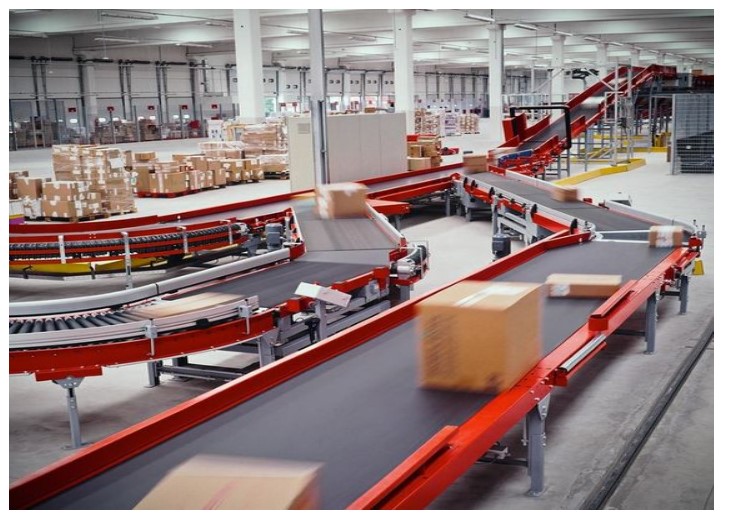
Product packaging is carried out via automated lines, accelerating the packaging process to save on labor costs and boost business productivity.
Product packaging machines offer numerous benefits to the production process, specifically:
Precise product portioning
Electronic weighing and packaging machines enable manufacturers to complete packaging quickly and consistently while ensuring the precise weight of each package; consequently, they are widely used in sectors such as fertilizers and food products.
Properly store goods in the warehouse.
Careful and precise packaging helps minimize damage and preserves product quality for longer—especially for items sensitive to environmental factors, such as dried foods and powders.
Facilitates the transportation of products and goods.
Once manufactured, products are distributed to various locations. Therefore, careful packaging facilitates easy transport and minimizes risks during the shipping process.
2. Components of the product packaging system
Product packaging systems on the market today are extremely diverse. However, all product packaging lines consist of the following three main components:
- Electrical components: Includes items such as the main circuit board, temperature controller, heating elements, PLC, motor, and optical sensors.
- Software: Includes the PLC programming code installed on the PLC by technical specialists.
- Mechanical components: Include the machine frame, fuel hopper, cutting blades, bag-forming chute, rotating shaft, and gearbox.
3. Standards and regulations related to product packaging systems
To ensure the quality of a shipment and minimize risks, the packaging process must be carried out according to established standards, as follows:
- Goods must be carefully packed to minimize impacts that could cause breakage or damage, and to protect them from harmful environmental factors during transport.
- Seal securely with adhesive tape to ensure goods do not fall out, resulting in misplacement, loss, or breakage.
- For liquid or fragile goods, warning labels must be affixed to the outside of the shipping carton.
- Goods with unique shapes require careful packaging; sharp or protruding edges must be securely covered, as they pose a significant safety risk.
- Provide full details of the recipient, including their full name, contact information, etc.
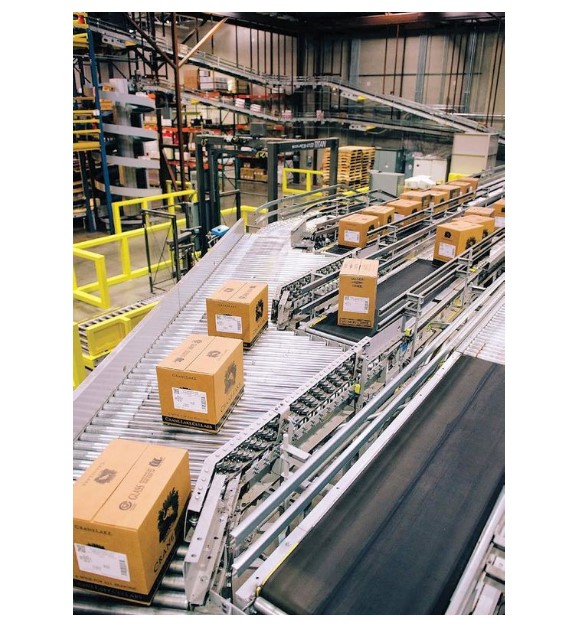
Regarding packaging and shipping cartons, you should use standard cardboard boxes and parcel packaging materials commonly employed in manufacturing and commerce. You should also ensure compliance with the following specific packaging requirements:
- Meets packaging standards for various modes of transport, such as air, sea, truck, and container.
- Package dimensions must be suitable to ensure preservation quality within the crate, on the pallet, or inside the container.
- Meets requirements for durability, toughness, and resistance to impact, pulling, and pushing forces during rail, air, road, or sea transport.
- The cardboard boxes or paper packaging do not become discolored, moldy, or damaged.
- Warning symbols are required on packaging—especially for fragile or delicate items—to prevent damage during transport, loading, and unloading.
4. Considerations for product packaging systems
Factors affecting the product packaging system include equipment maintenance and considerations regarding the operation of the packaging machine:
- Connect the ground wire to prevent short circuits and ensure safety during use.
- The machine must be placed in a dry environment, away from damp areas, direct sunlight, and locations with high-voltage power sources.
- Regularly clean the machine after each production shift and periodically apply lubricant to the rollers and bearings. This ensures durable operation and high productivity.
- The sealing jaw, cutting blade, and roller systems must undergo periodic maintenance.
- The gearbox requires regular checks and oil changes to ensure optimal machine performance.
In addition, there are some points to note when using automatic packaging machines, such as:
- Do not turn on the machine or operate buttons and switches with wet hands.
- Before packaging, it is necessary to thoroughly inspect the sealing jaws, cutting blades, rollers, etc.
- While the machine is running, ensure the power supply does not deviate by more than 10%. This means the supply voltage must remain within the 220V–240V range; exceeding this range will affect the machine’s performance.
- During operation, you should run a test cycle before proceeding with the actual operation.
- Familiarize yourself with the sounds the machine makes during normal operation so that you can recognize any differences in the event of a malfunction, thereby detecting the fault and carrying out timely repairs.
- Carefully examine the error message displayed on the screen to make the necessary changes.
5. Conclusion
The article above has likely provided you with a solid understanding of product packaging systems. Implementing an automated packaging line enhances a business’s production process while saving on costs, time, and labor. Furthermore, these systems offer the capability for continuous operation over extended periods—maintaining high packaging quality standards—while minimizing avoidable risks and helping to build a reputable brand.
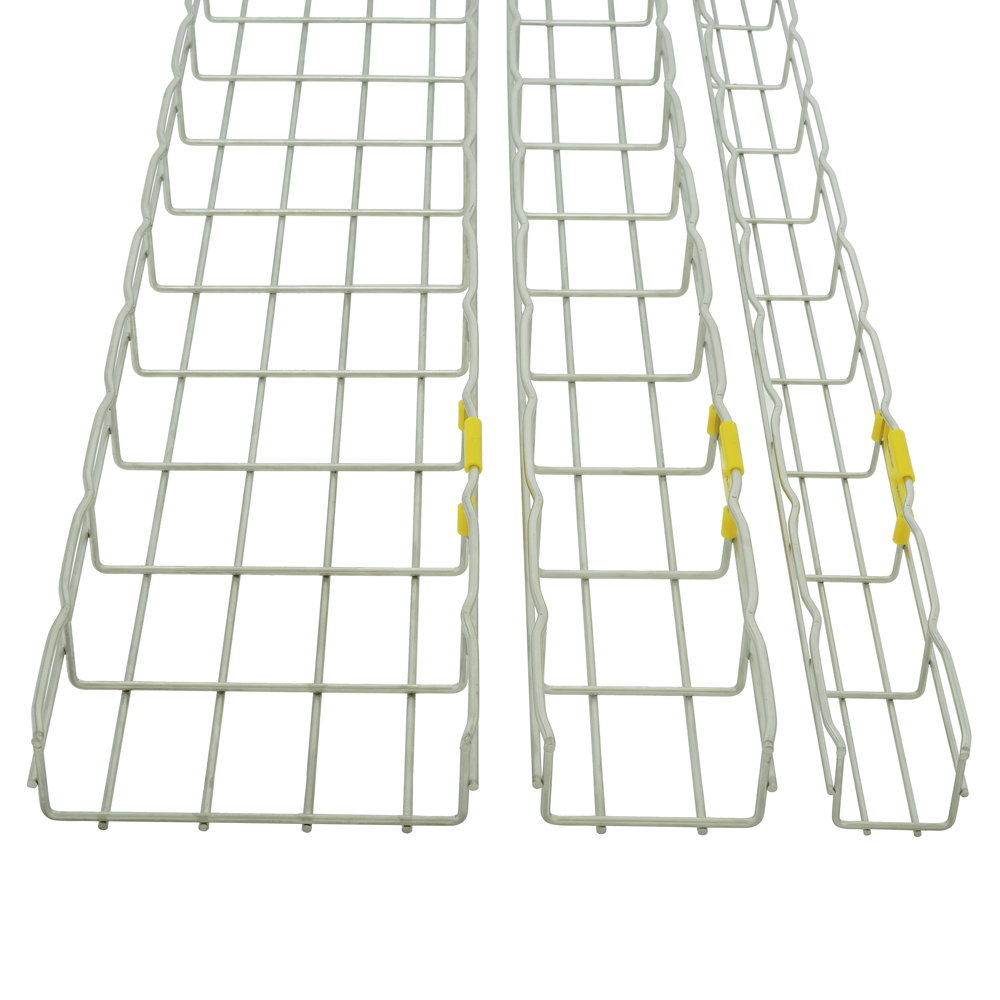
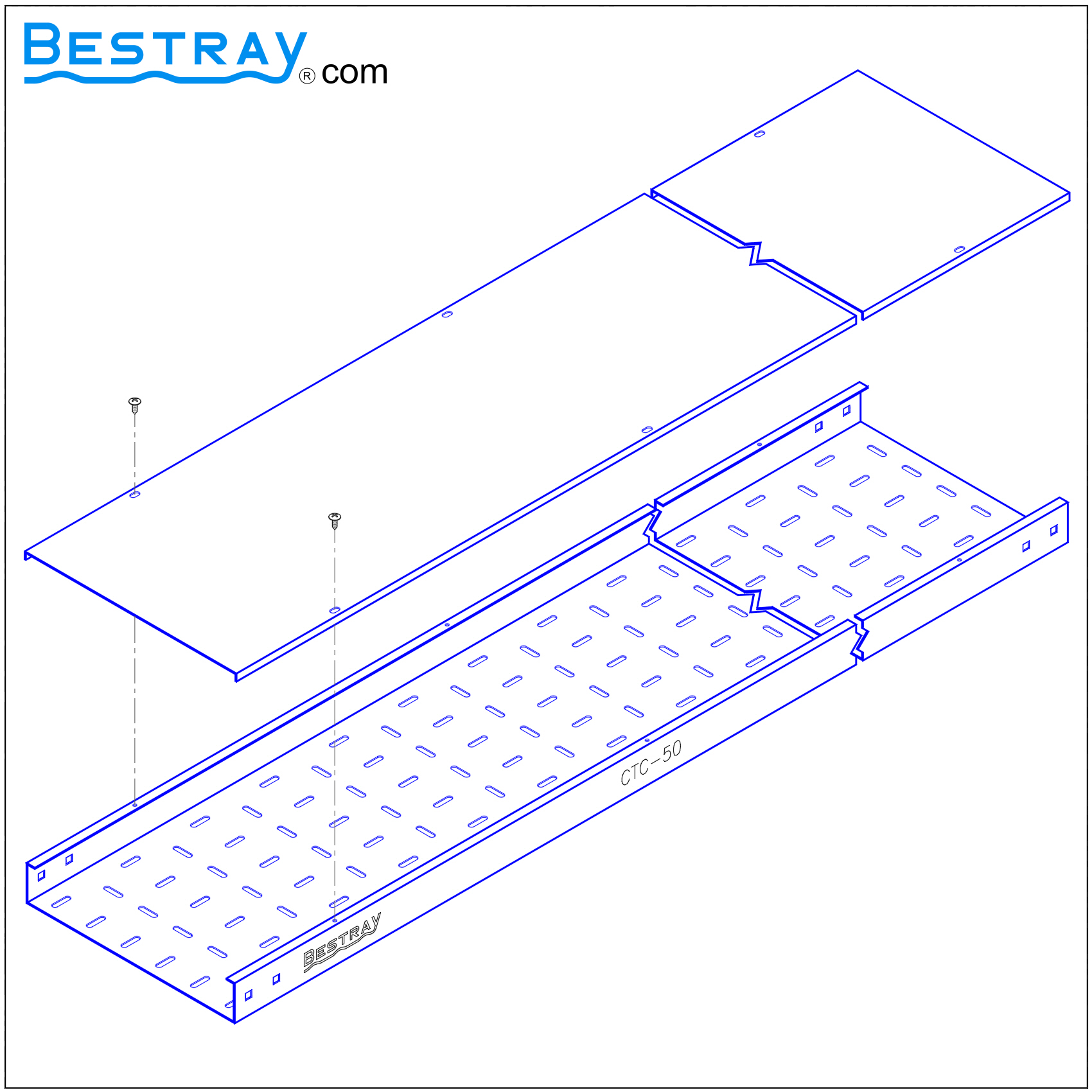
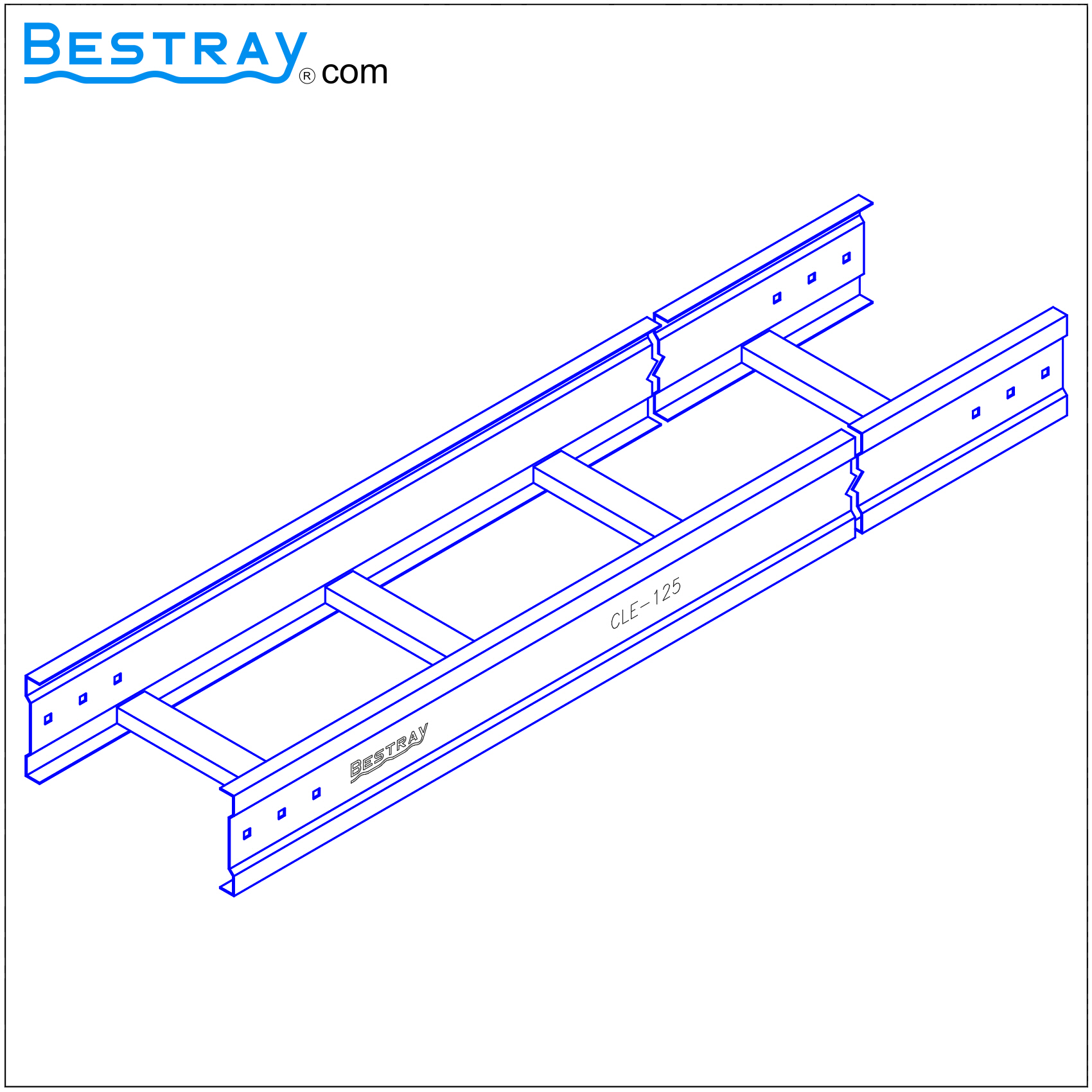
To ensure safety and efficiency during installation and operation, consider using protective equipment supplied by Bestray, such as cable ladders, cable trays, and wire mesh trays. These essential components are widely used in construction projects and manufacturing facilities alike, thanks to their versatility and ability to deliver cost savings while ensuring the safe, stable operation of other equipment.
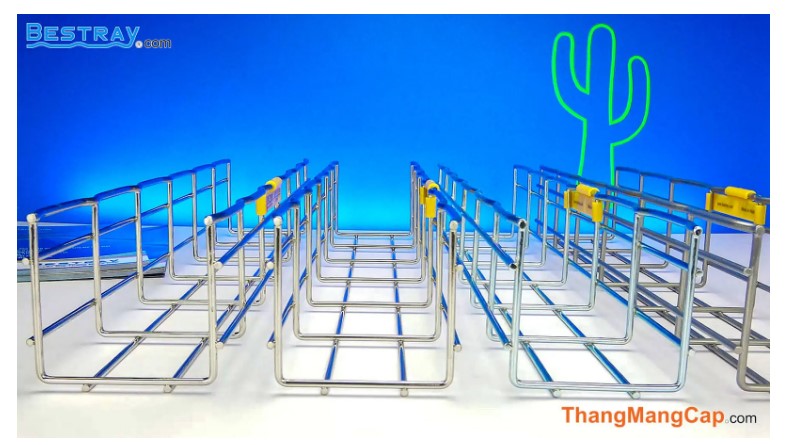
Bestray has many years of experience in manufacturing and supplying high-quality electrical equipment. We prioritize credibility and product quality while ensuring reasonable prices. If you have any questions regarding cable ladders, cable trays, or related products, please contact Bestray via our website for consultation and support.

——————————————————————————————
Bestray Joint Stock Company – Specialized Manufacturer of Cable Trays and Cable Trunking
- Address: 180/7B, Tan Thoi 3 Hamlet, Hoc Mon Commune, Ho Chi Minh City, Vietnam
- Phone: (028) 3713 3076 – 078 453 1668 – 0909 089 678
- E-mail: sales@bestray