


Security System Installation Experience
Nowadays, security systems have become crucial for both personal life (homes) and professional operations (businesses), as ensuring safety is essential. Through this article, Bestray hopes to provide you with a better understanding of security systems—including their components and the various types available—as well as how to effectively select, install, and operate them.
1. Overview of the security system
A security system is a solution comprising equipment, technology, and custom-designed methods aimed at ensuring the safety and security of spaces, assets, or information.
Its primary function is to monitor for and detect unusual activities, enabling the implementation of measures to minimize the risk of loss, damage, or unauthorized intrusion.
- For families, the system protects assets and loved ones from potential hazards such as theft, break-ins, fire, electrical equipment failure, etc.
- For businesses—whether companies, factories, shops, or offices—a system that ensures the safety of assets, information, and personnel is of utmost importance.
- For educational institutions, the system ensures the ability to monitor the activities of students and teachers in order to implement appropriate solutions. Additionally, equipment is monitored to prevent theft.
- Public facilities—such as hospitals, airports, transport terminals, shopping malls, and entertainment complexes—also require security systems to ensure the safety of the public and visitors.
Furthermore, in today’s era of technological advancement, security systems are becoming increasingly effective. Below are the technologies utilized in security systems:
- AI (Artificial Intelligence) Technology: By leveraging “self-learning” and “deep learning” capabilities, the security system can easily search for and detect abnormal activities.
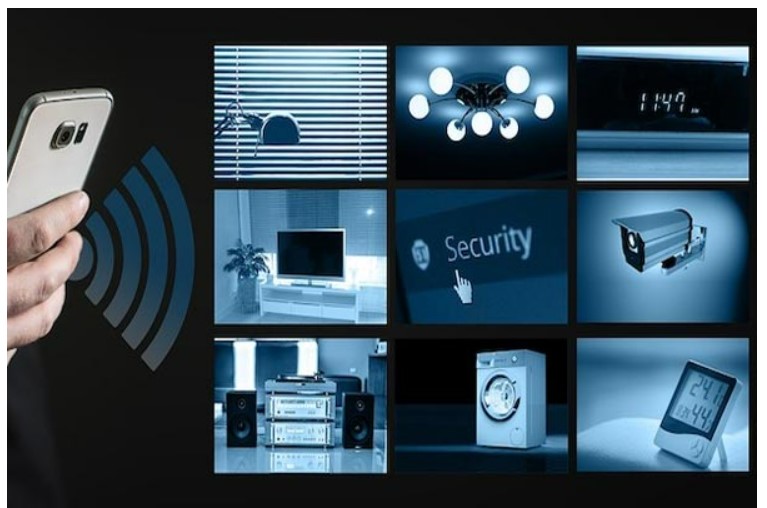
- IoT (Internet of Things): By utilizing an internet-connected network, we can easily monitor and observe activities in a specific area remotely, without needing to be physically present at the workplace.
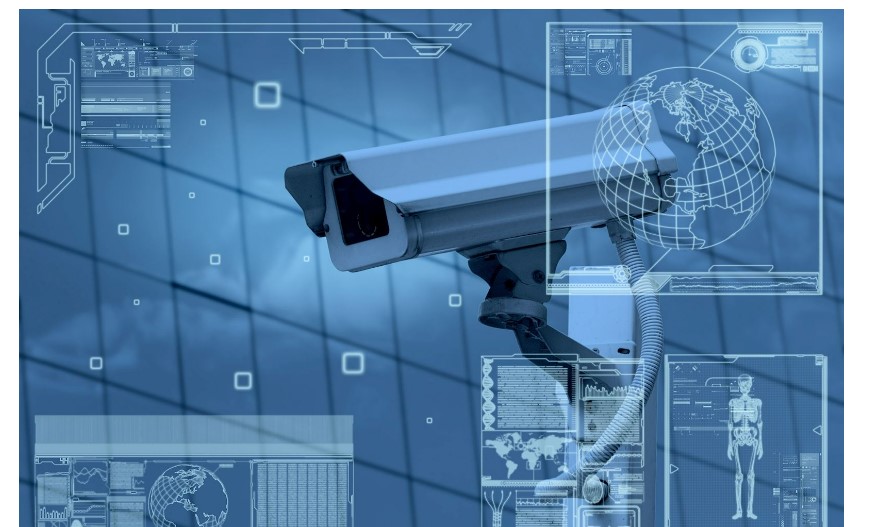
It is built upon technologies that have been further developed for systems such as intelligent video surveillance, access control, and intrusion detection.
2. Security system configuration
The demand for customized security systems is increasing to meet diverse needs. However, every security system is composed of the following basic components:
- Monitoring devices—including security cameras, motion sensors, light sensors, and magnetic sensors—serve to track activities within the area requiring protection. These can be considered the most critical component of a security system.
- Alarm systems—including burglar, fire, and smoke alarms—are used to alert users to abnormal activity and enable them to implement appropriate measures.
- Access control system: This system manages user entry and exit, preventing unauthorized access. Access control devices include electronic locks, key cards, PIN codes, fingerprint scanners, and facial recognition systems.
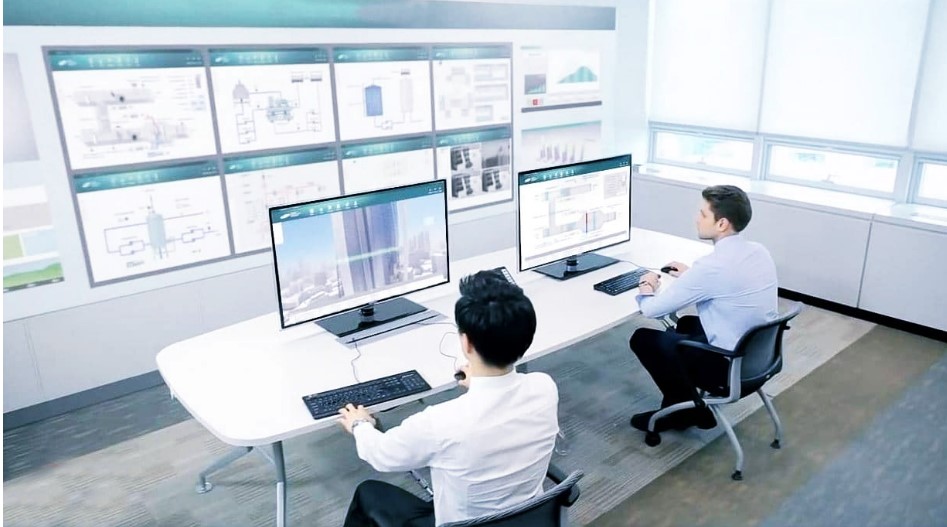
- The control and monitoring center aggregates data from monitoring, alarm, and access control devices. It comprises data storage equipment, display screens, and management software.
- Connection and transmission system: Devices within a security system must be interconnected to transmit information and data. The connection and transmission system comprises coaxial cables, fiber-optic cables, wireless networks, and mobile networks.
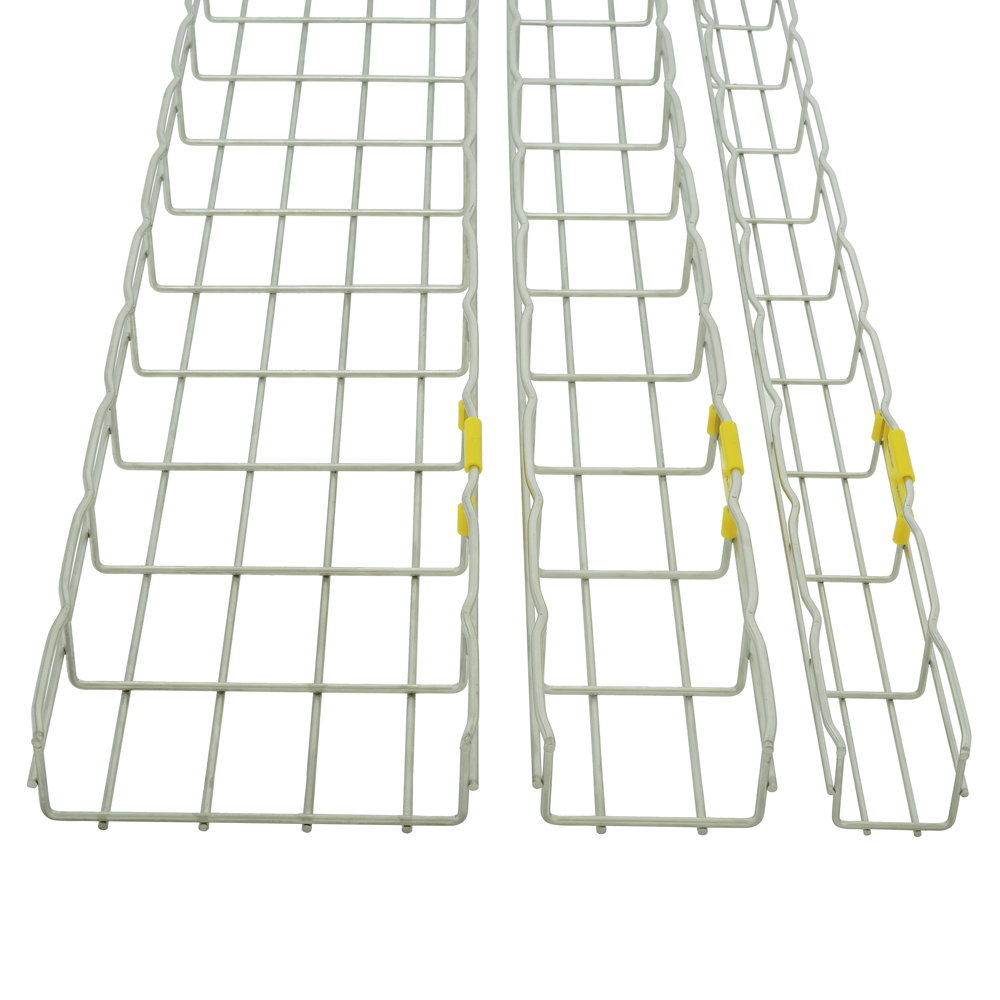
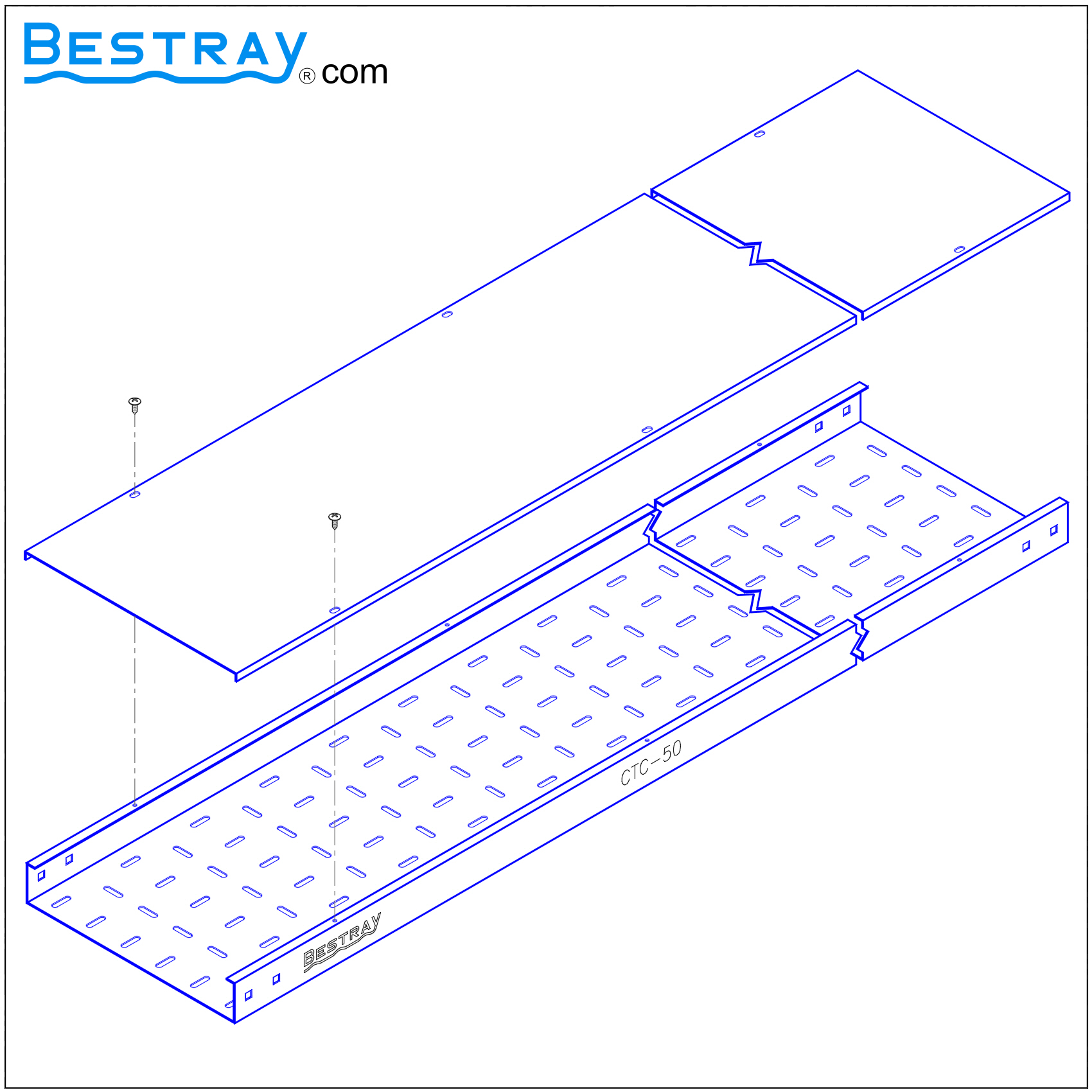
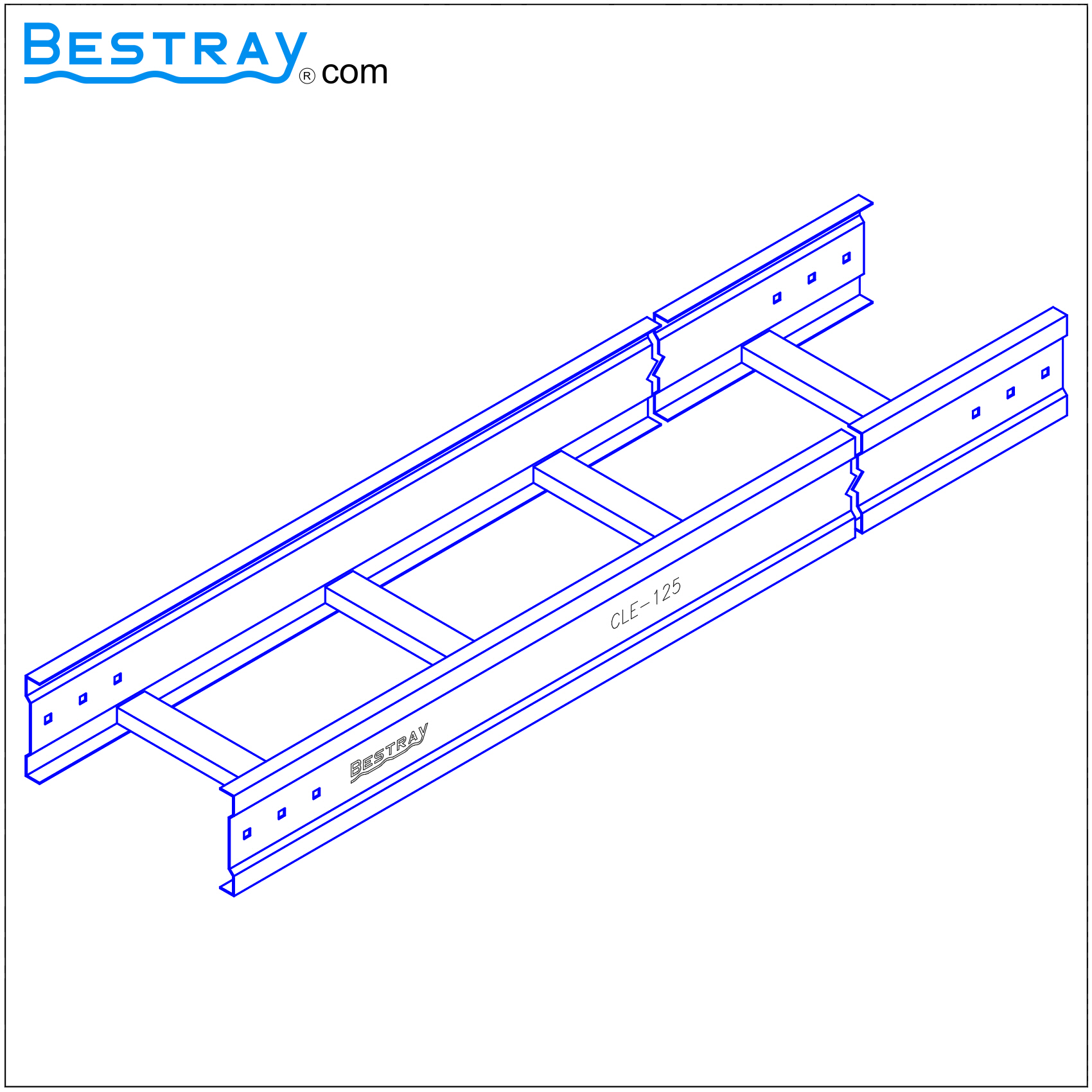
- Cable Management Systems (Cable Trunking): Installing cable trunking, wire mesh trays, cable trays, and cable ladders is essential to optimize cable layout, prevent tangling, and ensure efficient system operation. These systems protect, support, and safely route cables, preventing damage caused by environmental factors or external impacts.
3. How to select/install a security system
Selecting and installing a suitable security system not only ensures safety but also saves on investment costs. To achieve an effective security system, users need to clearly define their requirements, choose high-quality products and services, and ensure proper installation.
3.1. Identifying Needs
Before selecting and installing a security system, users need to clearly define their specific needs, including:
- Intended use: Assess the intended application of the security system, such as protecting a home, company, store, manufacturing facility, or public area.
- Subjects to be monitored: Identify the subjects requiring protection, such as people, assets, etc.
- Risk level: Analysis of risk factors associated with the location or area, such as the risk of intrusion, break-ins, fire and explosion, theft, etc.
- Security system installation areas: Based on a risk assessment, identify areas requiring protection, such as entrances, windows, parking areas, gardens, corridors, etc.
3.2. Determining the Required System & Budget
After identifying needs and assessing risks, users need to select a suitable security system. Determining the necessary system and the installation budget will help users make a more informed decision.
- Understanding security system types: To make an informed decision, we need to be well-informed about the types of security systems available on the market, as well as the pros and cons of each.
- Determining the budget: Based on an assessment of needs, risk levels, and financial capacity, users need to establish a budget for installing a security system. This helps users select suitable products and services while avoiding waste—such as installing a high-cost system without fully utilizing its capabilities.
- Selecting the right system: Based on the information gathered and the established budget, users can choose a security system that meets their needs, ensuring maximum safety while remaining cost-effective.
3.3. Selecting a security system installation provider
Selecting a security system installer is a crucial task, as it directly impacts the system’s effectiveness. To help you choose the right partner, Bestray outlines the following selection criteria:
- Reputation and experience: A reputable and experienced supplier helps ensure product and service quality, as well as superior technical support. We will seek recommendations from friends and family while also checking reviews on social media.
- Product and service quality: Request that the supplier provide product samples or introduce the brands they distribute. This enables an assessment of the overall quality of their offerings.
- Technical support and warranty: Policies for prompt, timely technical support and attractive warranty terms (after-sales service) are key factors to consider when discussing matters with a supplier.
- Competitive pricing is a key factor when selecting a supplier. Users should compare prices from multiple providers to find one that offers reasonable rates aligned with their established budget.
- Site survey: A professional security system installer will conduct a site survey before proposing a suitable security solution.
3.4. Checking and evaluating system effectiveness
After selecting a provider and completing the installation of the security system, it is necessary to test and evaluate its stability to ensure it functions as intended and delivers the expected performance. Below are some steps for testing and evaluation:
- Functional check: Ensure that security devices are functioning correctly and are free from technical faults.
- System performance assessment: Evaluate the security system’s detection and alerting capabilities to ensure it meets security and safety requirements.
- Evaluate the use of cable troughs, wire mesh trays, cable trays, and cable ladders: Assess the suitability of these support systems for cable routing to prevent tangling and ensure efficient system operation.
4. Security system installation considerations
Installing a security system involves more than just purchasing and using equipment; it also requires compliance with legal regulations and ensuring the system’s suitability and effectiveness. Below are some important points to consider when installing a security system:
4.1. Legal regulations
First, users need to be fully aware of the local legal regulations regarding the installation and use of security systems.
These regulations may concern:
- Protecting privacy
- Regulations on areas where the installation of surveillance cameras is prohibited
- Regulations regarding the use of information collected from the security system.
Compliance with legal regulations will help ensure that the security system operates as intended and avoids legal risks.
4.2. Installation of security system
Installing a security system requires a professional and meticulous approach to ensure its operational effectiveness and durability. Below are some key points to consider during the installation process:
- Assessing the installation location: Before installation, the placement of security equipment must be evaluated to ensure optimal monitoring and a clear, unobstructed field of view. Additionally, the location must be chosen to avoid encroaching upon sensitive areas or compromising residents’ privacy.
- Caution during installation: The installation of security devices must be carried out carefully and precisely to avoid damaging the equipment or the building structure. Appropriate, high-quality, and load-bearing installation accessories should be selected to ensure the safety of the system.
- Installation of cable management systems: Cable routing must be executed in a logical and organized manner to prevent tangling and avoid obstructing daily activities or work operations at the site. Components such as cable trunking, wire mesh trays, cable trays, and cable ladders are used to arrange cables neatly, ensuring aesthetic appeal and facilitating easy maintenance and inspection.
- System inspection and testing: After installation is complete, the user should inspect the entire system to ensure it operates correctly and efficiently. System testing helps identify and promptly rectify any issues that may have arisen during installation.
4.3. Maintenance
Periodic maintenance is crucial for ensuring the operational efficiency and longevity of a security system. Maintenance tasks must be carried out according to proper procedures and in compliance with the manufacturer’s standards. Key points to consider during the maintenance of a security system include:
- Equipment cleaning: Periodically clean equipment such as cameras, sensors, and control systems to remove dust and mold, ensuring clear images and sensor accuracy.
- Check cable connections: Inspect cable connections to ensure they are not loose, tangled, or damaged from use. Utilize solutions such as cable trunking, wire mesh trays, cable trays, and cable ladders to facilitate easy inspection and replacement of cables when necessary.
- Software updates: Periodically update management software and control systems to ensure the system is always upgraded with new features and optimal security.
- System functionality check: Periodically check system functions—such as alarms, video surveillance, and access control—to ensure stable and effective operation.
4.4. Operation
Operating a security system effectively and safely requires rigorous management to ensure that all equipment and systems function correctly while complying with legal regulations. Below are some key considerations for the operation of security systems:
- User Training: Provide training to users, security personnel, and system administrators on how to effectively use, operate, and monitor the security system. Ensure they possess the necessary knowledge and skills to detect and handle incidents in a timely manner.
- Compliance with security regulations: Adhere to regulations regarding information security and the protection of user and customer privacy. Ensure that security systems are accessed and used only by authorized personnel.
- Continuous system monitoring and surveillance: Conduct continuous monitoring and surveillance of the security system to detect anomalies or incidents early, enabling timely response and ensuring the safety of the facility and its users.
- System evaluation and improvement: Conduct periodic evaluations of the security system’s performance and propose solutions for improvements and upgrades to meet increasingly demanding security needs and align with new technologies.
5. Conclusion
This article has provided an overview of security systems, covering their characteristics, purposes, types, and underlying technologies, as well as guidelines for effective selection, installation, and operation. Security systems play a vital role in protecting assets and people, while ensuring the safety of facilities, businesses, and communities.
Additionally, the use of cable trunking, wire mesh trays, cable trays, and cable ladders helps optimize cable layout, prevents tangling, and ensures efficient system performance. Selecting and installing the right security system—while complying with legal regulations—builds user trust and guarantees safety and information security.
We hope this article equips you with the necessary knowledge to select and install a security system tailored to your needs, thereby contributing to the protection of assets and the safety of everyone.

——————————————————————————————
Bestray Joint Stock Company – Specialized Manufacturer of Cable Trays and Cable Trunking
- Address: 180/7B, Tan Thoi 3 Hamlet, Hoc Mon Commune, Ho Chi Minh City, Vietnam
- Phone: (028) 3713 3076 – 078 453 1668 – 0909 089 678
- E-mail: sales@bestray