





What is powder coating technology? Its role and applications.
Powder coating technology is increasingly advancing and widely adopted in materials manufacturing. It offers comprehensive surface coverage, allows for the proper recovery of excess powder, and is easier to execute than conventional painting methods. To help you gain a better understanding of this technology, Bestray outlines the powder coating process below.
Electrostatic powder coating is a widely used coating technology today. It utilizes electrostatic principles to ensure the coating film adheres to the surface. The process involves charging the powder particles with a positive charge (+) as they pass through the spray gun, while the coating equipment carries a negative charge (-). This creates an electrostatic attraction that bonds the powder to the product.
In simple terms, the process can be described as the oxidation of metal into an oxide. Typically, metals such as aluminum, titanium, or magnesium are used because their oxides are durable and adhere strongly to the metal surface.
Advantage
- Delivers high economic value: Powder coating offers an adhesion rate of 60–70%, whereas conventional spray painting achieves only 30–40%, resulting in greater product durability. During the coating process, excess powder can be recovered and reused. Furthermore, powder coating is more cost-effective than conventional painting methods.
- Safety for the user: Powder coating is primarily composed of resin, pigments, and additives. These substances are characterized by their tendency to volatilize in the air. Consequently, by the time the product reaches the user, there is virtually no residual powder on the surface, thereby preventing the inhalation of powder particles or skin contact.
- Environmentally friendly: Conventional paints can easily harm the ozone layer, whereas powder coatings do not use organic solvents, making them easier to manage when released into the environment.
- High production efficiency: The paint is ready for use just 20–30 minutes after application, whereas other water-based paints require hours to dry completely.
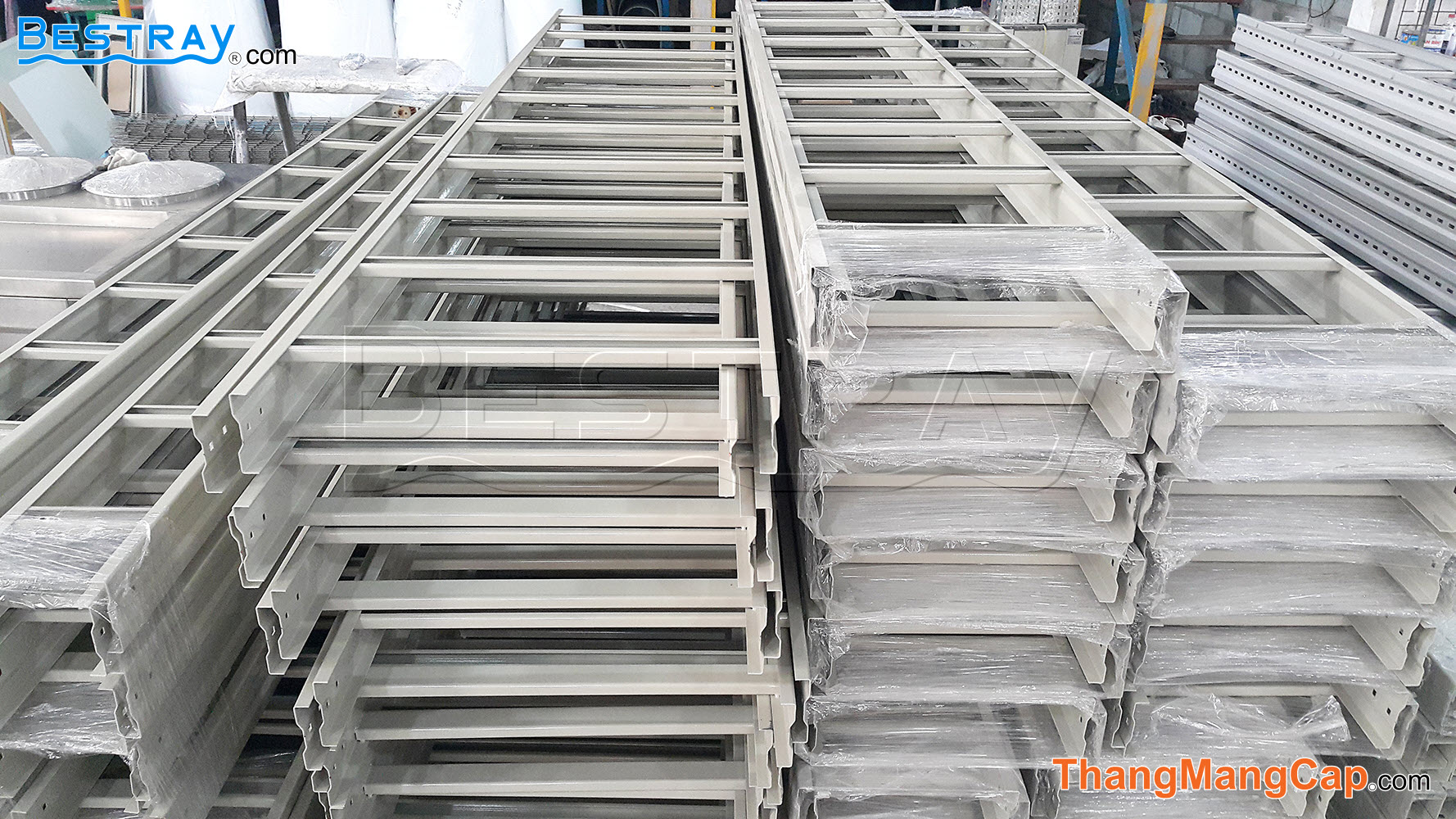
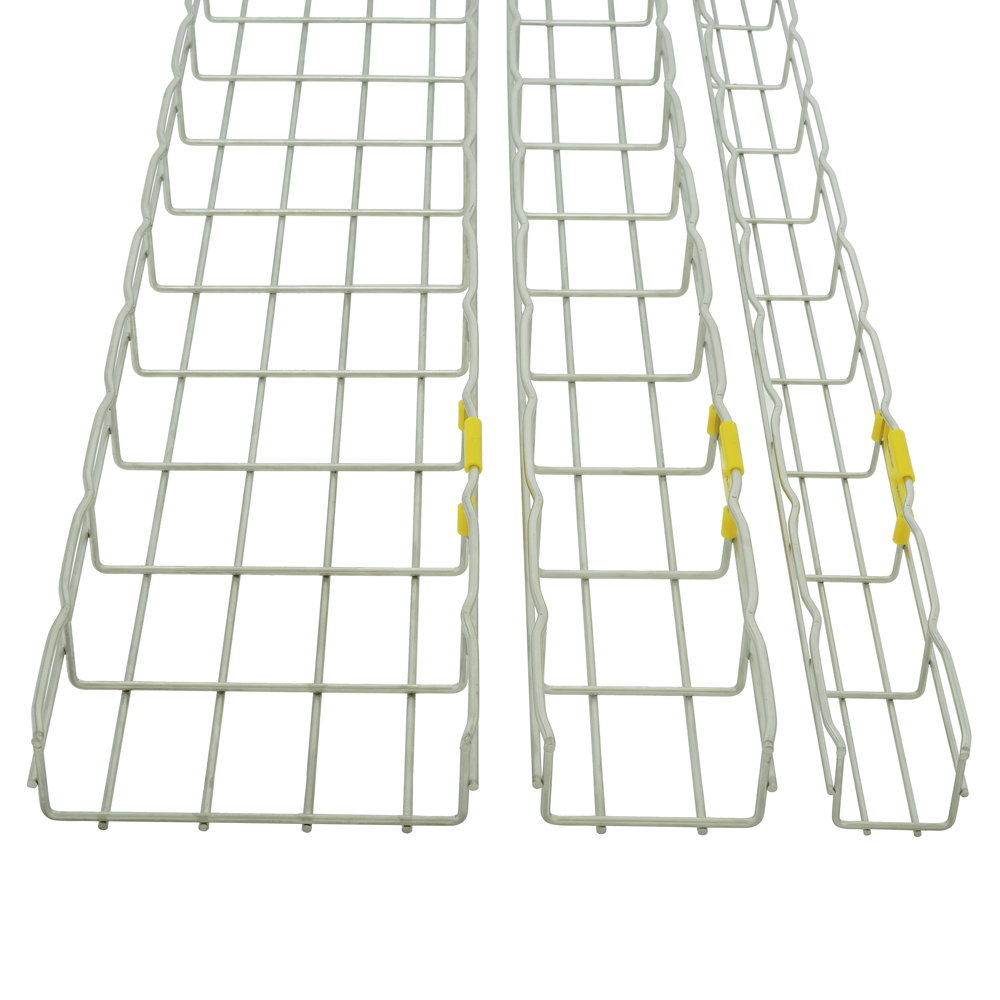
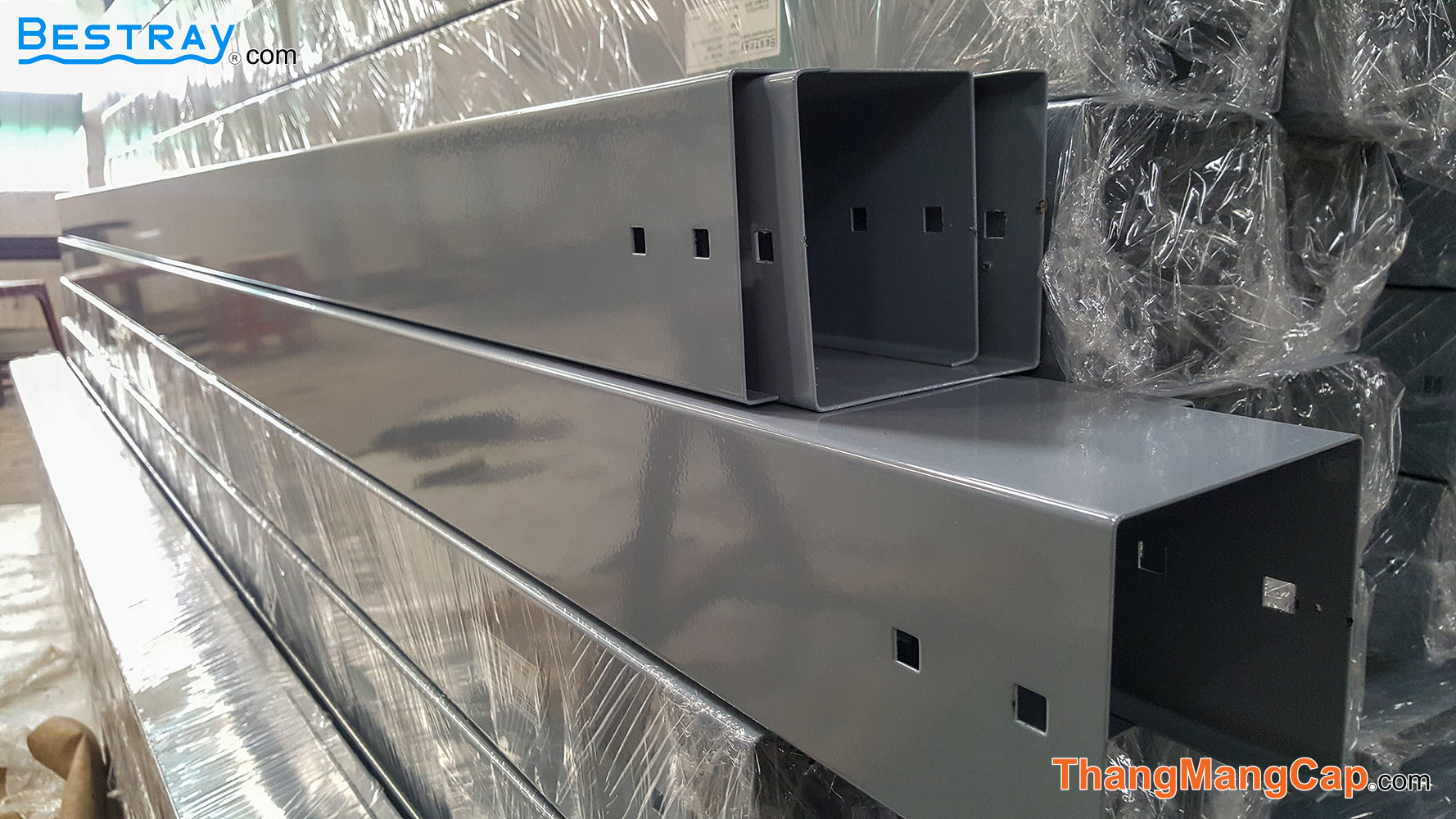
Powder-coated cable tray (RAL 7035)
Disadvantages
- High initial investment: The powder coating process relies on a range of specialized machinery. Consequently, acquiring this technology requires a significant financial investment in the system.
- Requires high-level expertise: This spray painting process demands an experienced operator with a thorough understanding of the procedure, ensuring the final product meets high standards of quality and performance.

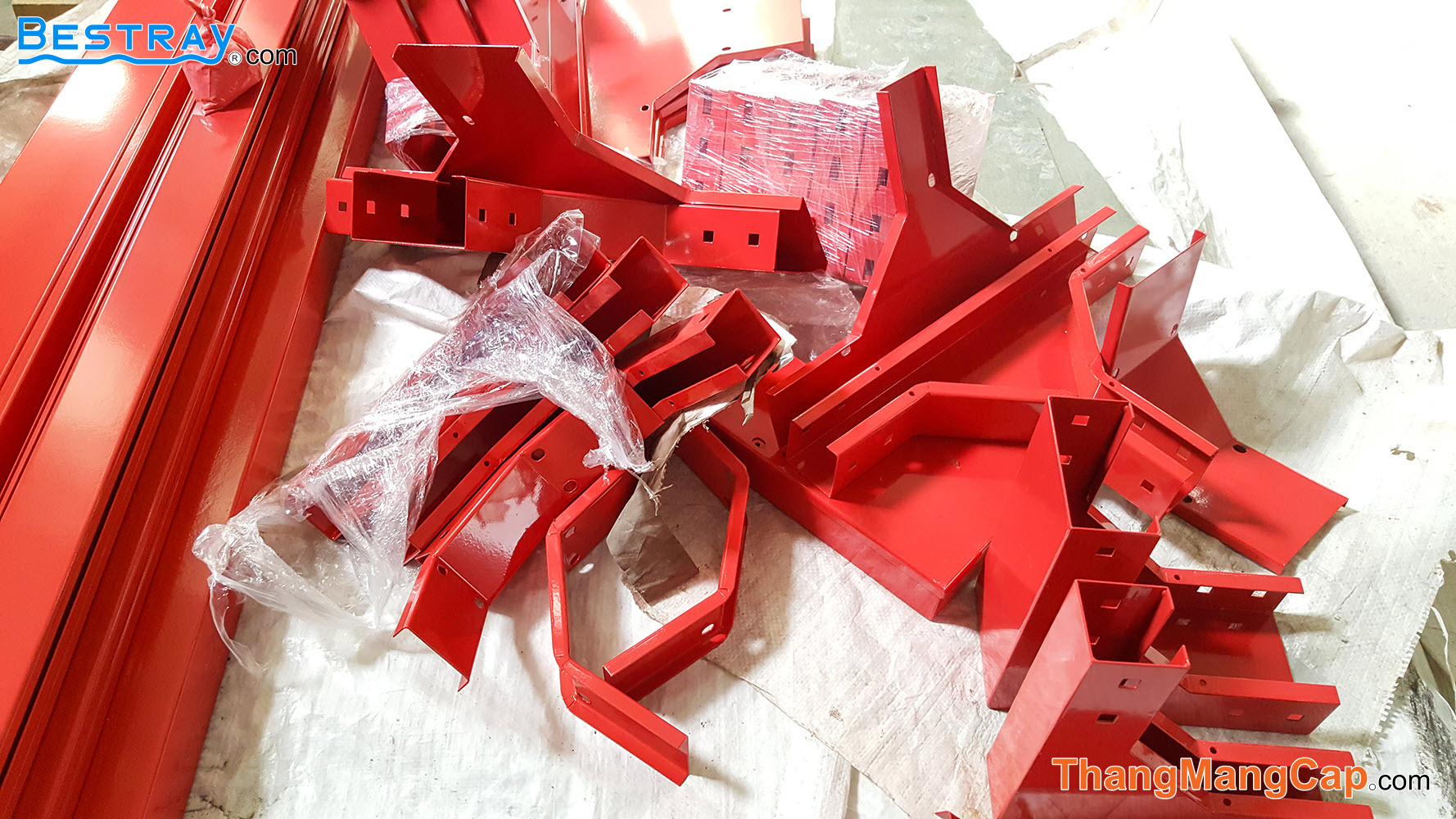
Powder-coated cable tray (Orange RAL 2007)
2. Role and operating principle of powder coating
The operating principle of powder coating technology involves applying a layer of powder paint to a material’s surface using a spray gun. This coating is created by spraying electrically charged powder onto the surface, which is then heated; the powder melts and forms a durable, well-bonded surface layer.
The primary equipment used in this process includes the spray gun and an automatic control unit. Supporting equipment includes spray booths, powder recovery systems, infrared curing ovens, air compressors, and compressed air dryers, as well as composite tanks for pre-painting surface treatment.
During the production process, the workpiece must be heated to a high temperature to melt the powder. This method is typically applied to metal objects; the size of the part must be suitable for the oven, and color consistency across batches is generally superior to that of conventional paints.
3. Applications of powder coating
Powder coating is increasingly being used in manufacturing workshops due to its many superior properties and wide range of applications, such as:
- Electrostatic coating for iron fences, galvanized fences, iron gates, etc.
- Electrostatic coating for vehicle components such as frames, hoods, wheels, door handles, radiators, filters, etc.
- Electrostatic coating for household appliances: refrigerator front panels, washing machine casings, dish racks, hammock frames, etc.
- Architecture and home décor: door frames, lamp posts, railings, etc.
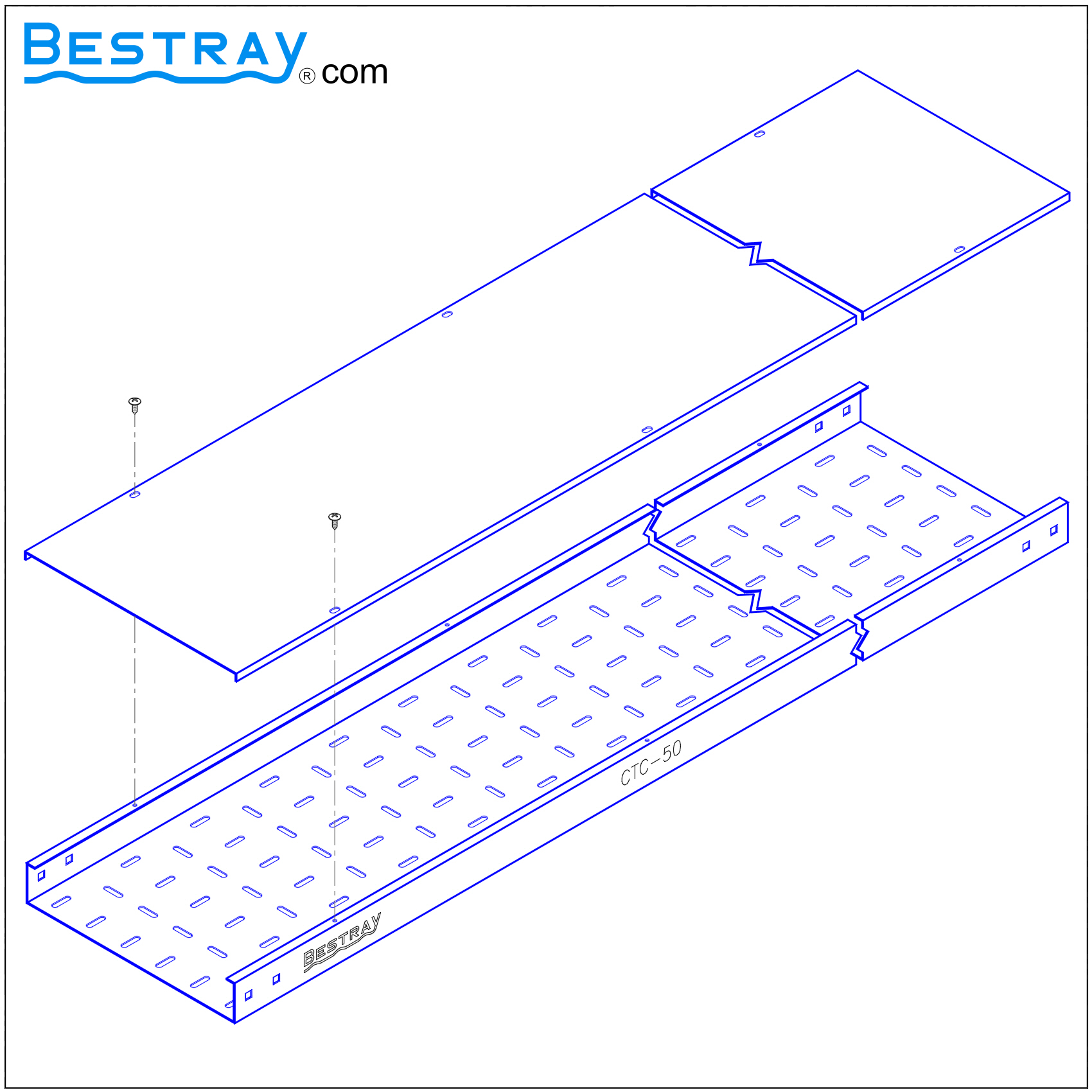
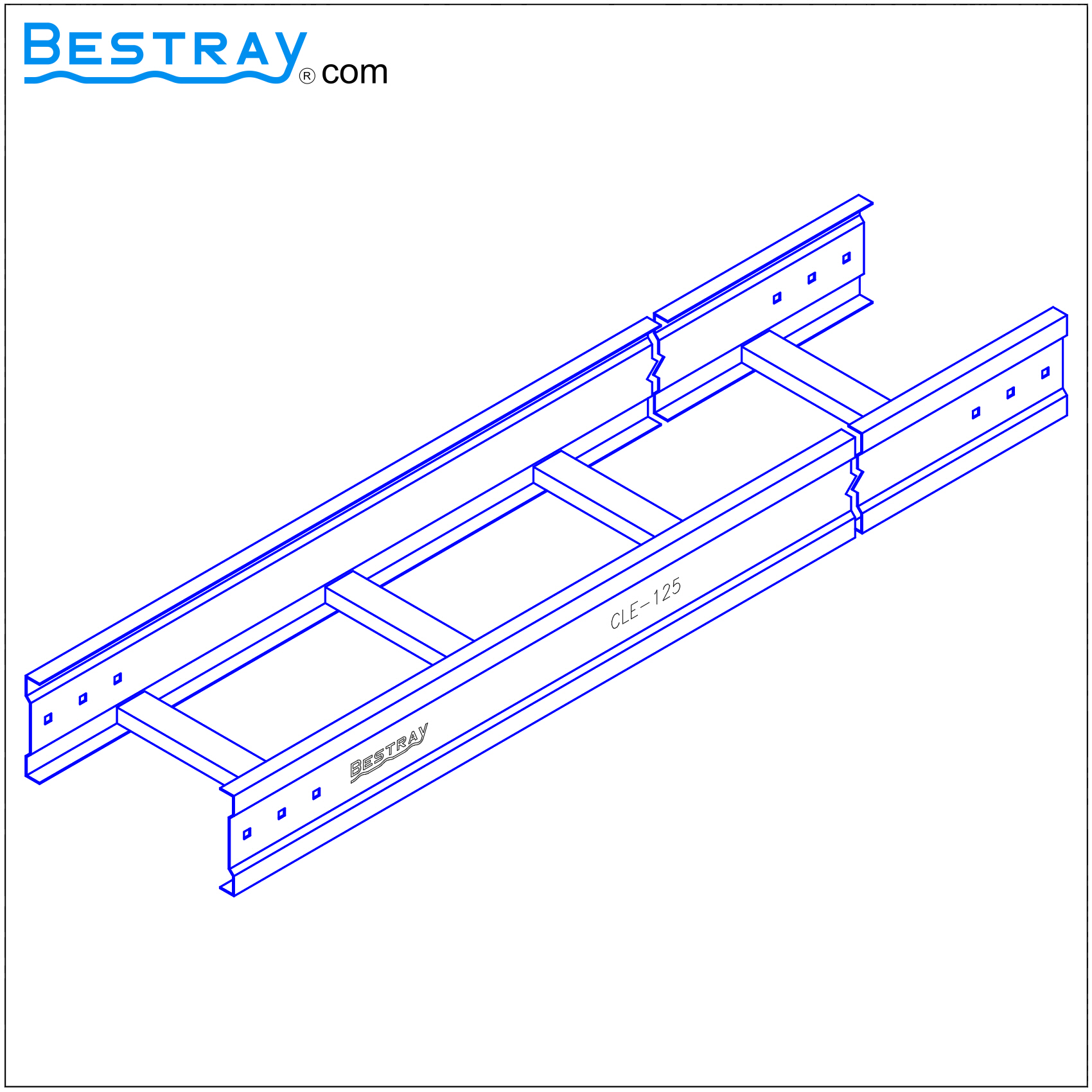
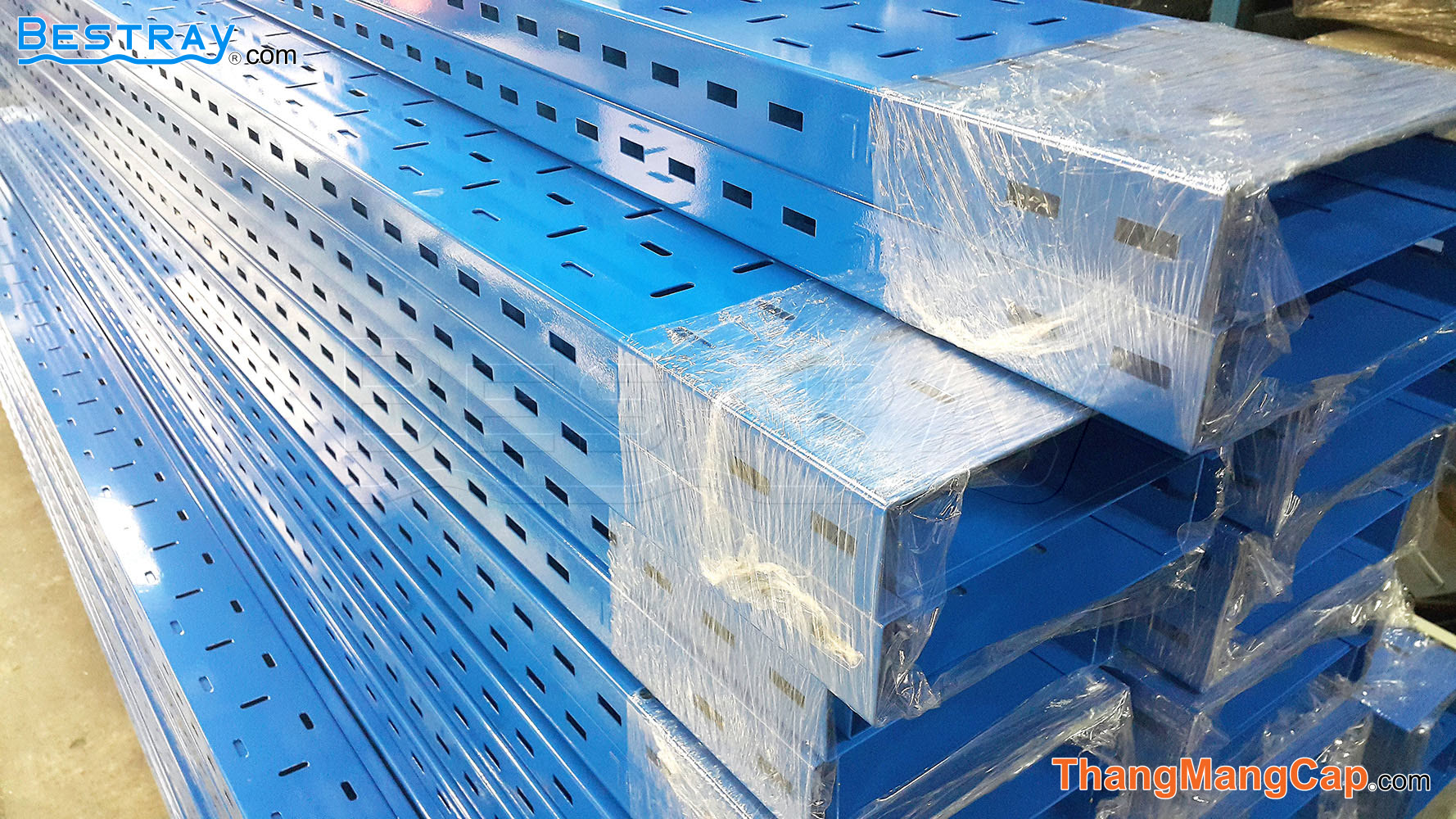
- Electrostatic coating for cable trays and ladders
4. How are powder coatings classified?
Currently, this coating technology is categorized into two types: dry powder coating and wet electrostatic coating.
- Dry paint (powder coating): Used for coating metal products such as iron, steel, aluminum, and stainless steel.
- Wet paint (solvent-based): Used for coating products made of metal, plastic, wood, etc.
However, dry coating technology is more widely used because it offers greater efficiency compared to solvent-based or water-based spray painting. Furthermore, a key characteristic of powder coating is that any powder not adhering to the workpiece can be recovered and reused at a rate of over 90%. Consequently, dry coating achieves superior coverage, effectively coating all surface angles and edges—even those not directly facing the spray gun.
5. Powder coating process
The powder coating process typically involves the following basic steps:
Step 1: Surface treatment of the product
Prior to powder coating, the products must be cleaned to remove dirt, grease accumulated during transport, and any rust. This is a crucial and time-consuming stage; thorough treatment is essential to ensure a smooth, aesthetically pleasing finish with excellent coating adhesion. During this process, the products are immersed in chemical tanks in the following order: an acid bath for rust removal, a water rinse tank, a degreasing tank, and a tank containing chemicals for surface conditioning.
Step 2: Perform drying.
Before powder coating, the product—having undergone surface treatment in chemical tanks—must be dried. This is done by hanging the product on a trolley and moving it into the drying oven via a conveyor system.
Step 3: Proceed with electrostatic powder coating.
The spraying process requires the use of a spray gun, with the paint color determined by the amount of pigment powder mixed in. It is also essential to ensure the finish is of the highest quality. Spray guns come in two types: single-chamber and dual-chamber models.
Spray painting operates on the principle of electrostatic force. Furthermore, after spraying, excess paint can be collected and blended with fresh paint according to various formulas for reuse. This is considered a major advantage of this painting technology.
Step 4. Shape-setting and product finishing.
Upon completion of the spraying process, the product is moved into a curing chamber to set the finish. This stage ensures superior paint adhesion, resulting in a uniform and aesthetically pleasing surface. Typically, the curing temperature is adjusted to suit the specific type of product.
6. Conclusion
Powder coating has become a modern standard in the manufacturing processes of numerous domestic enterprises and workshops, as it ensures superior adhesion and a more uniform, aesthetically pleasing finish compared to other coating methods. This technology is widely applied to products such as cable trunks, cable ladders, and cable trays to prevent rust and corrosion across various construction environments.
If businesses or contractors are looking for a reputable supplier of powder-coated cable ladders and trunks, Bestray is a provider worth considering.
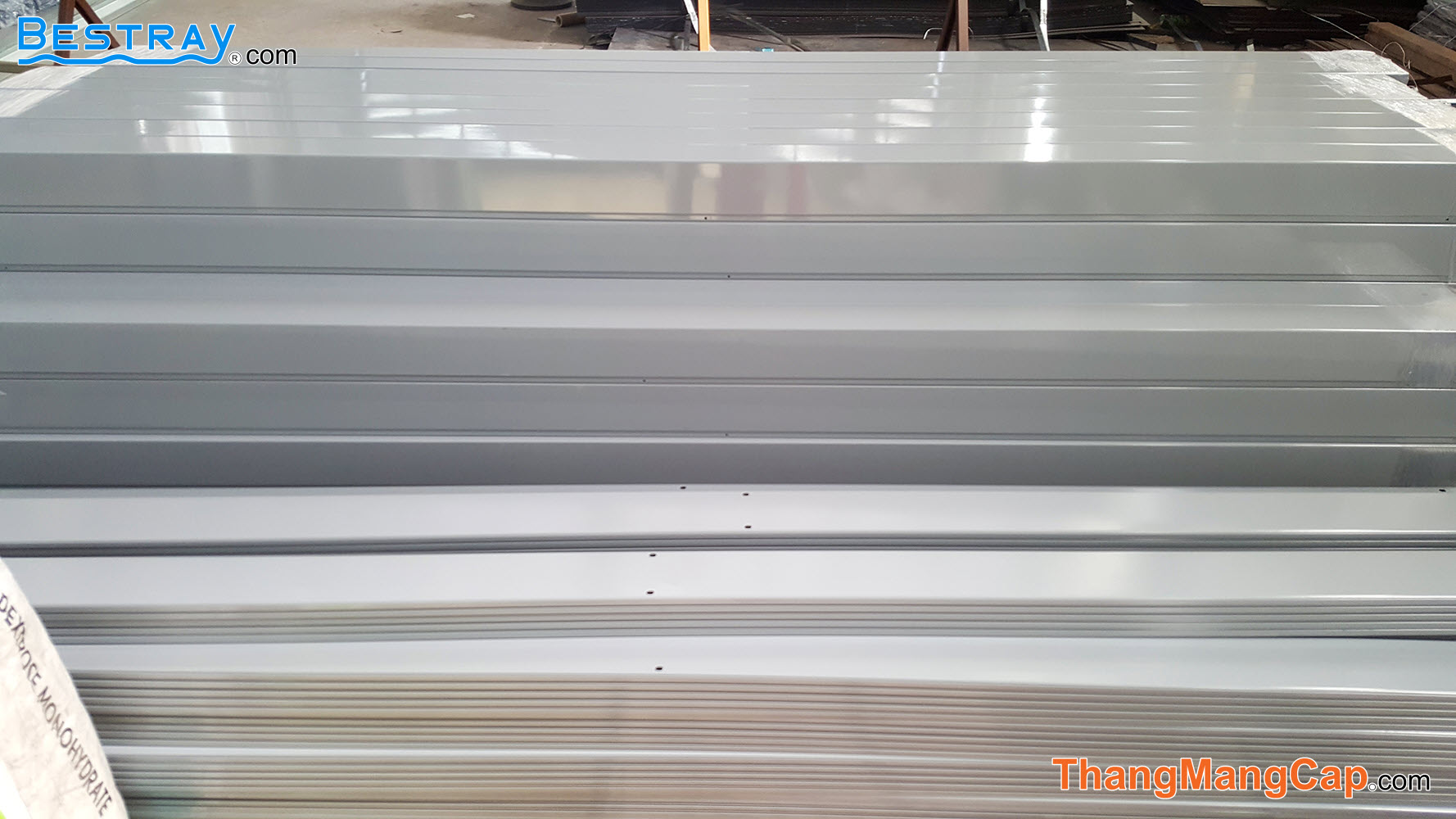
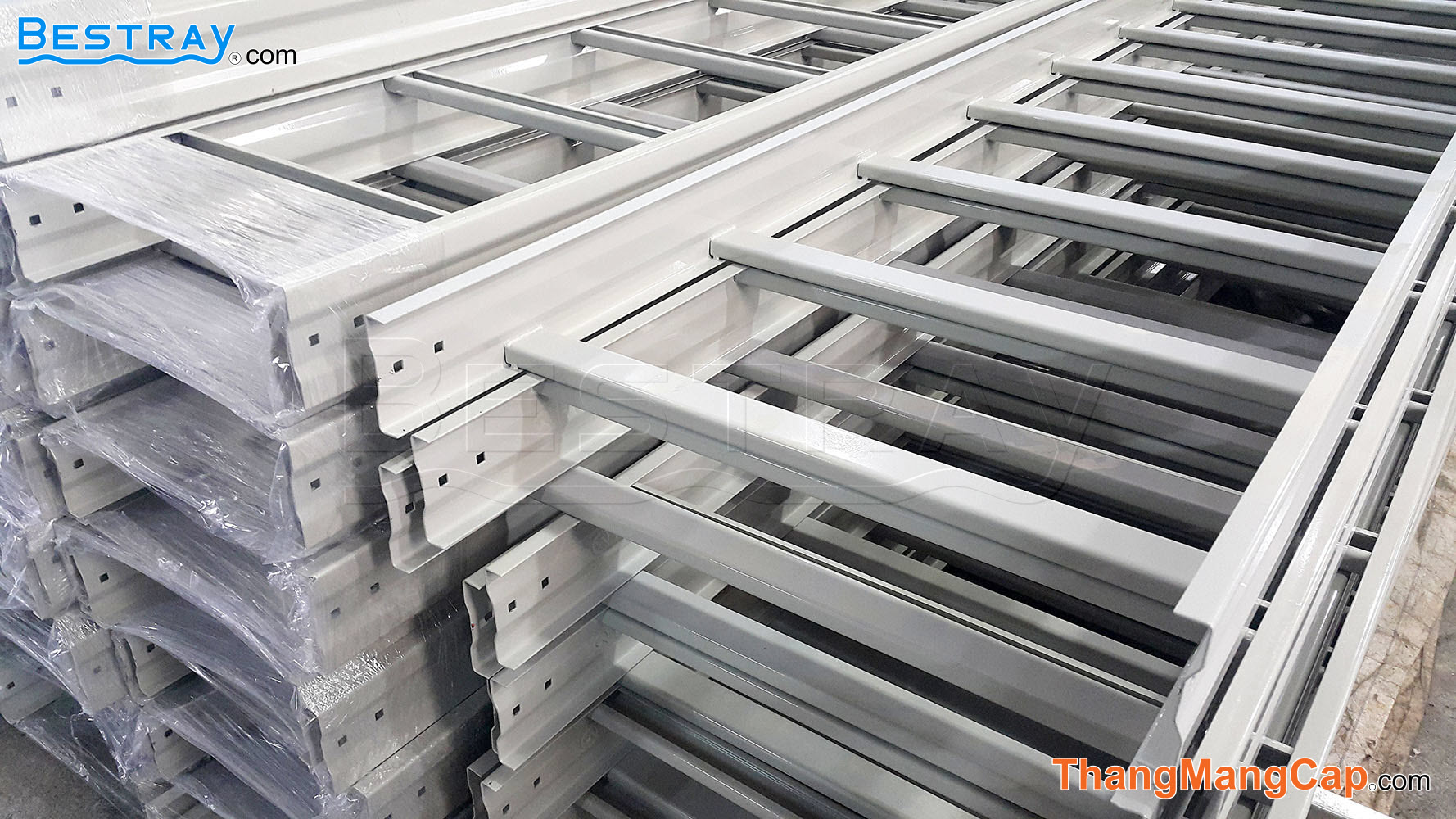
Bestray Joint Stock Company specializes in the manufacture and distribution of powder-coated cable trays, cable ladders, and accessories for construction projects nationwide. Backed by a team of highly skilled and experienced workers, we guarantee durable, robust products available in a wide range of designs to meet all our customers’ requirements.

——————————————————————————————
Bestray Joint Stock Company – Specialized Manufacturer of Cable Trays and Cable Trunking
- Address: 180/7B, Tan Thoi 3 Hamlet, Hoc Mon Commune, Ho Chi Minh City, Vietnam
- Phone: (028) 3713 3076 – 078 453 1668 – 0909 089 678
- E-mail: sales@bestray