





What is automation, and how is it applied in the manufacturing industry?
Industrialization and modernization are global trends; any industry requires automation to integrate into the market and foster growth. Various forms of automation are currently widely employed in the manufacturing sector. So, what exactly is automation, and how is it applied in manufacturing? Let’s explore this with Bestray in the article below.
1. What is automation?
Automation involves the application of automatic control technologies to production in order to supply goods while minimizing human intervention in the manufacturing process. Implementing automation technologies, techniques, and processes accelerates production speeds, enhances efficiency, and ensures high reliability.

Automation helps minimize human intervention.
2. Benefits of industrial automation
When businesses implement automation in their production operations, it brings about many positive changes, such as:
Ensure safety
This is a crucial issue for protecting a business’s employees, suppliers, and customers. Automation helps enhance safety processes by retrofitting older equipment, enabling machines to perform tasks automatically with minimal human intervention.
Save time
Automation can produce products and services faster, meeting or exceeding customer expectations.

Quality manufacturing
In addition to accelerating production, industrial automation minimizes issues along the production line. Consequently, product quality is ensured, and errors during the manufacturing process are kept to a minimum.
Reduce supervision
It can provide monitoring and data logging capabilities at programmed intervals without the need for human interaction.
Lower costs
By reducing the need for emergency maintenance and minimizing downtime, industrial automation helps businesses cut costs. Furthermore, it boosts production efficiency, enabling companies to increase output without incurring excessive expenses.
3. The role of reclosing automation
- Increased labor productivity: Automation enables production lines to operate continuously around the clock without human intervention, resulting in a higher volume of manufactured products.
- Improving product quality: Implementing precisely programmed automation significantly reduces product errors compared to manual operations performed by staff.
- Furthermore, automation enhances business competitiveness, allows for flexible application, and saves on labor and various other costs.
4. Application of automation in industrial production
Automation represents a technological advancement in the systems and machinery used in sectors such as manufacturing and production, aimed at minimizing the need for manual human intervention.

Industrial automation is widely adopted by companies and industries to create more efficient operational processes through the application of various technologies. Industrial applications are taking over tasks previously performed by humans; this enables repetitive tasks to be executed with high precision and fewer errors, thereby freeing up human labor.
5. Components of an industrial automation system
The key components of industrial automation include:
- Industrial robot.
- Servo, Inverter, Drive.
- PLC – HMI screen.
- Pressure sensors; concentration, temperature, and travel sensors.
- Automated cameras; actuators such as motors, valves, hydraulic and pneumatic cylinders, and switching devices; and display devices such as LED panels and LCDs.
- Controllers are being integrated with sophisticated artificial intelligence and microprocessors that feature continuous technological breakthroughs.
6. Common industries applying industrial automation
- Manufacturing: Manufacturing enterprises employ industrial automation in various ways to assemble and create products, as well as to oversee maintenance tasks or manage inventory levels.
- Oil and gas drilling often involves offshore and remote installations, making industrial automation extremely valuable in this sector. The use of sensors and monitoring equipment helps minimize potential risks.

- Used in paper mills to manage mass production and control plant equipment.
- Steel plant: Provides an integrated system for managing and controlling the entire steel plant.
- Transportation: Industrial automation plays a vital role in the aviation industry through autopilot systems on commercial jetliners.
- Distribution: Once products are manufactured and ready for dispatch, the distribution sector takes over, transporting goods to expedite delivery and further accelerate operations across the board. Consequently, the sector implements distribution solutions to manage the transport and delivery of goods at even greater speeds.
7. Conclusion
Automation propels humanity toward a civilized and modern industrial era. This technology enables businesses to enhance safety, save time, improve quality, and reduce human intervention. Collectively, these benefits allow enterprises to achieve higher productivity and greater efficiency.
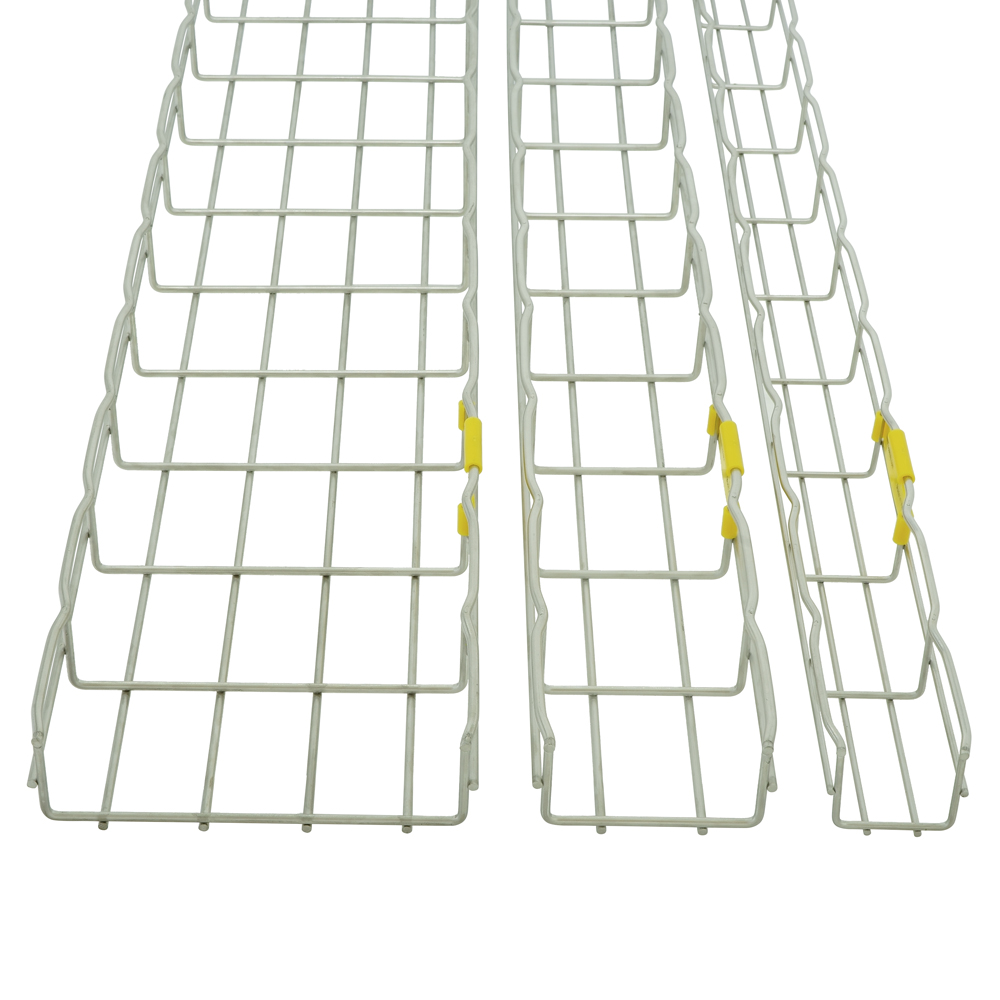
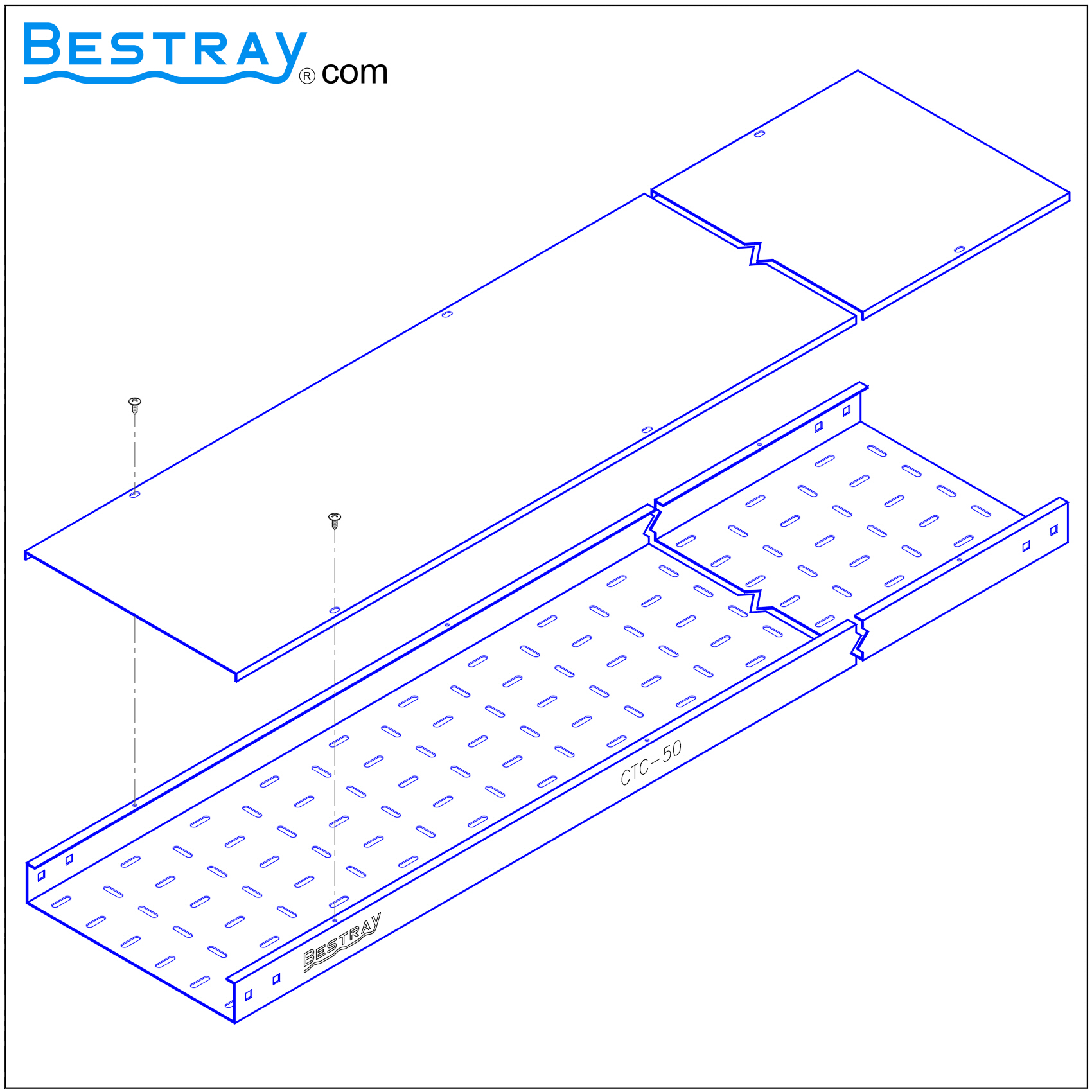
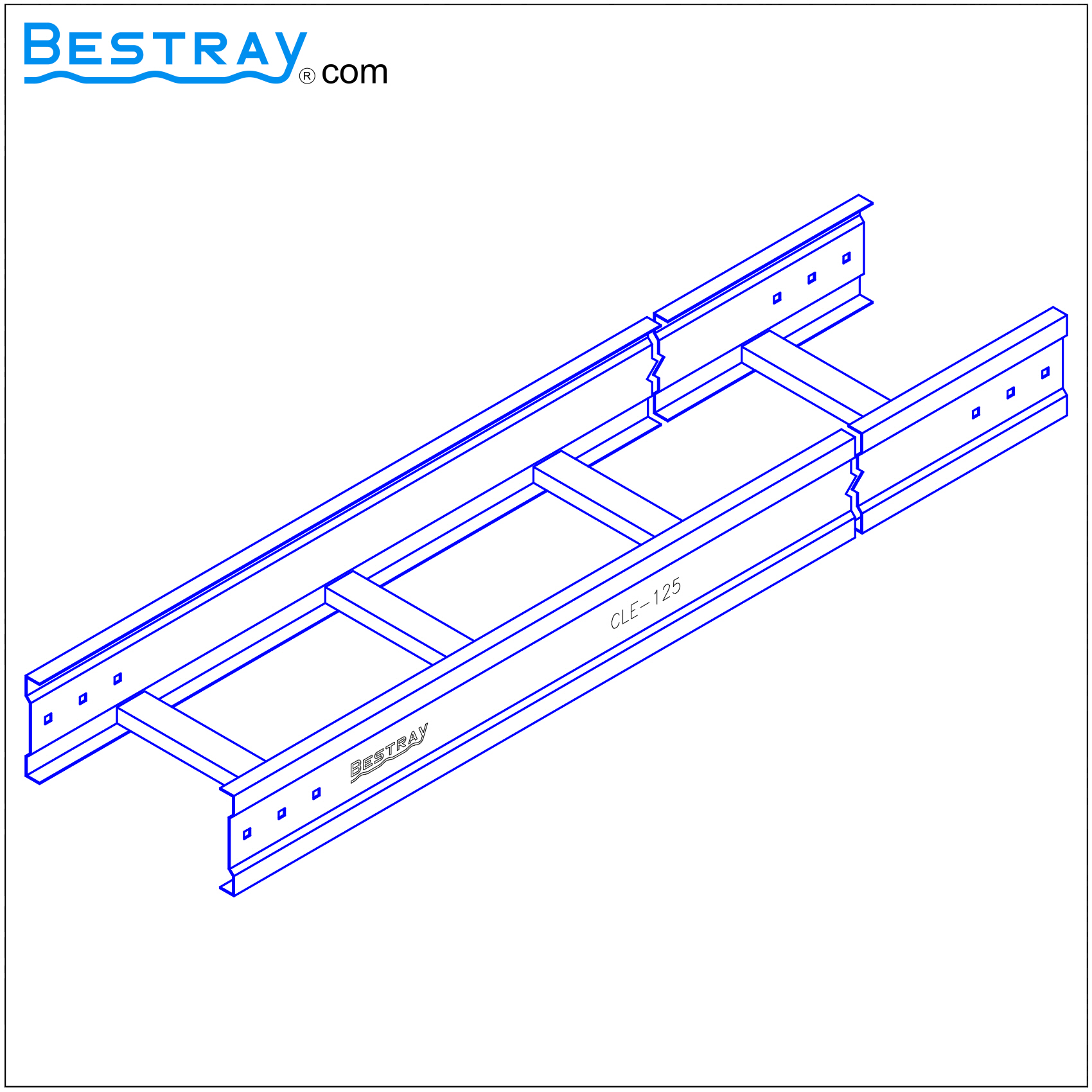
To ensure safety during both installation and operation, you might consider Bestray products such as cable ladders, wire mesh trays, and cable trays. These solutions are widely used in construction projects, factories, and apartment complexes because they meet key criteria for safety, stability, and cost-efficiency.

With years of experience in the manufacturing, consulting, and supply of electrical equipment, Bestray is committed to delivering top-quality products at reasonable prices. We pride ourselves on our reliability, so you can choose Bestray products with complete confidence. If you would like to learn more about cable ladders, cable trays, and related products, please contact us for detailed advice or explore our other articles.

——————————————————————————————
Bestray Joint Stock Company – Specialized Manufacturer of Cable Trays and Cable Trunking
- Address: 180/7B, Tan Thoi 3 Hamlet, Hoc Mon Commune, Ho Chi Minh City, Vietnam
- Phone: (028) 3713 3076 – 078 453 1668 – 0909 089 678
- E-mail: sales@bestray