


Automatic Control Systems: Concepts, Benefits, and Practical Applications
In an increasingly developing and modernizing world, technology has become a decisive factor in driving business growth. One such technology is the automatic control system.
This is a management and operational mechanism in which activities and processes are automated, thereby enhancing efficiency and product quality. However, to fully understand and effectively implement automatic control systems, it is essential to grasp their concepts, benefits, structure, and operating principles. Let us explore automatic control systems in greater depth in the following article.
An automatic control system—also known as automation—is a component of a production system that operates based on predefined rules and settings without requiring constant human intervention. Thanks to its automation capabilities, the system enables the control of operations with high precision and efficiency.
- Increase work efficiency: Automation systems help reduce the time required for repetitive tasks and boost productivity.
- Accuracy and consistency: Automation systems help minimize human error, ensuring uniform work quality.
- Cost savings: Despite the initial investment, it saves on labor costs and boosts business profits in the long run.
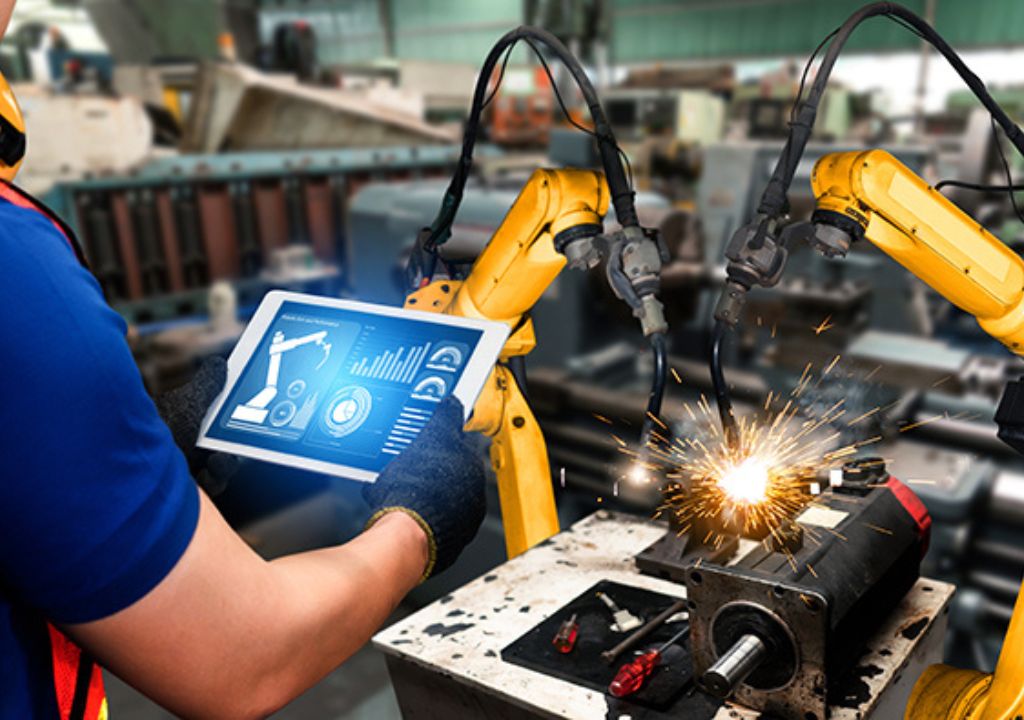
In practice, automatic control systems have been widely applied across various sectors. In manufacturing, automation systems help control product quality, boost productivity, and enhance workplace safety. In the information technology sector, automatic control systems help optimize data management and workflows.
2 – Basic structure of an automatic control system
An automatic control system has a basic structure comprising various components. A thorough understanding of this structure not only enables us to grasp how the system operates but also helps us optimize performance and work quality.
- Controller: This is the heart of the system; it processes signals from sensors and makes decisions to control the actuators. The controller is crucial as it ensures the smooth and efficient operation of the entire system.
- Sensor: A sensor is used to collect information about the environment or the system’s state. This information is then processed by the controller to make decisions. Sensors are crucial because they enable the system to interact with the environment and ensure it operates as intended.
- Actuator: This device performs actions based on decisions made by the controller—for example, motors, valves, or pumps. Actuators are crucial because they enable the system to execute specific actions that alter the state of the environment or the system itself.
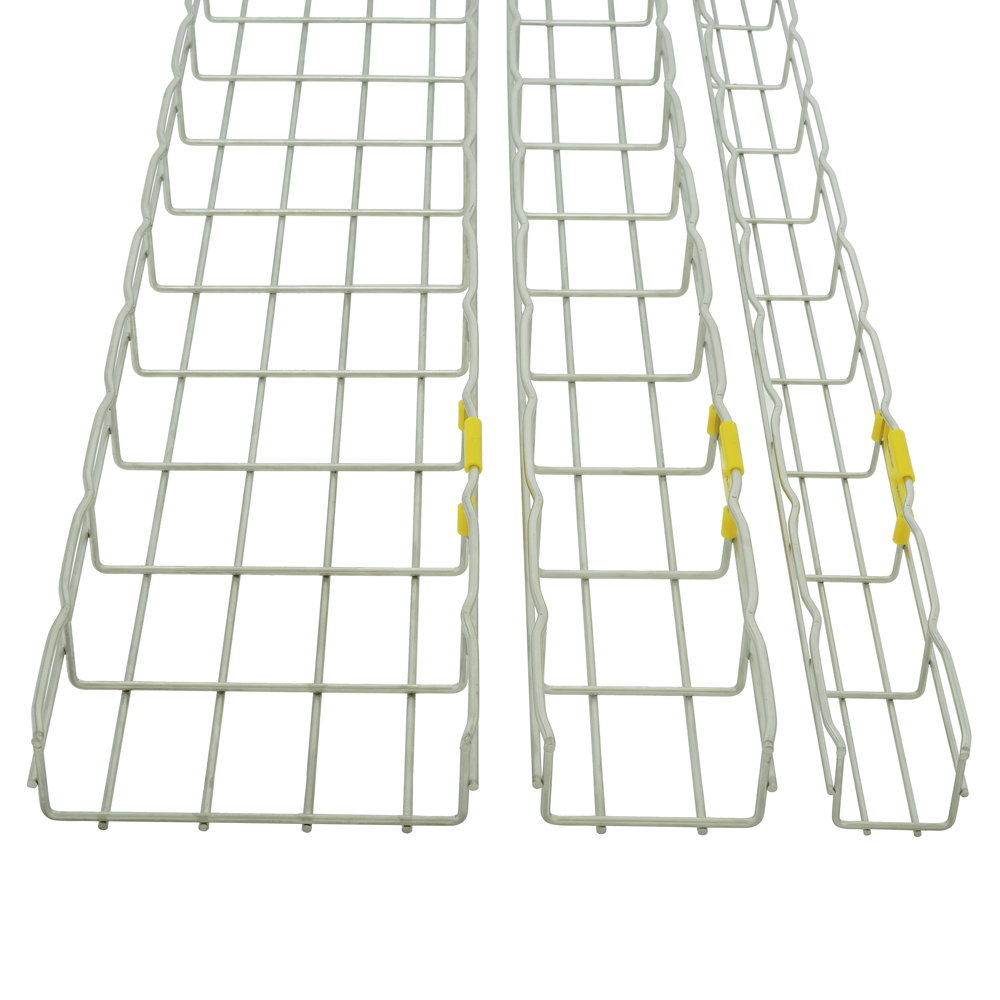
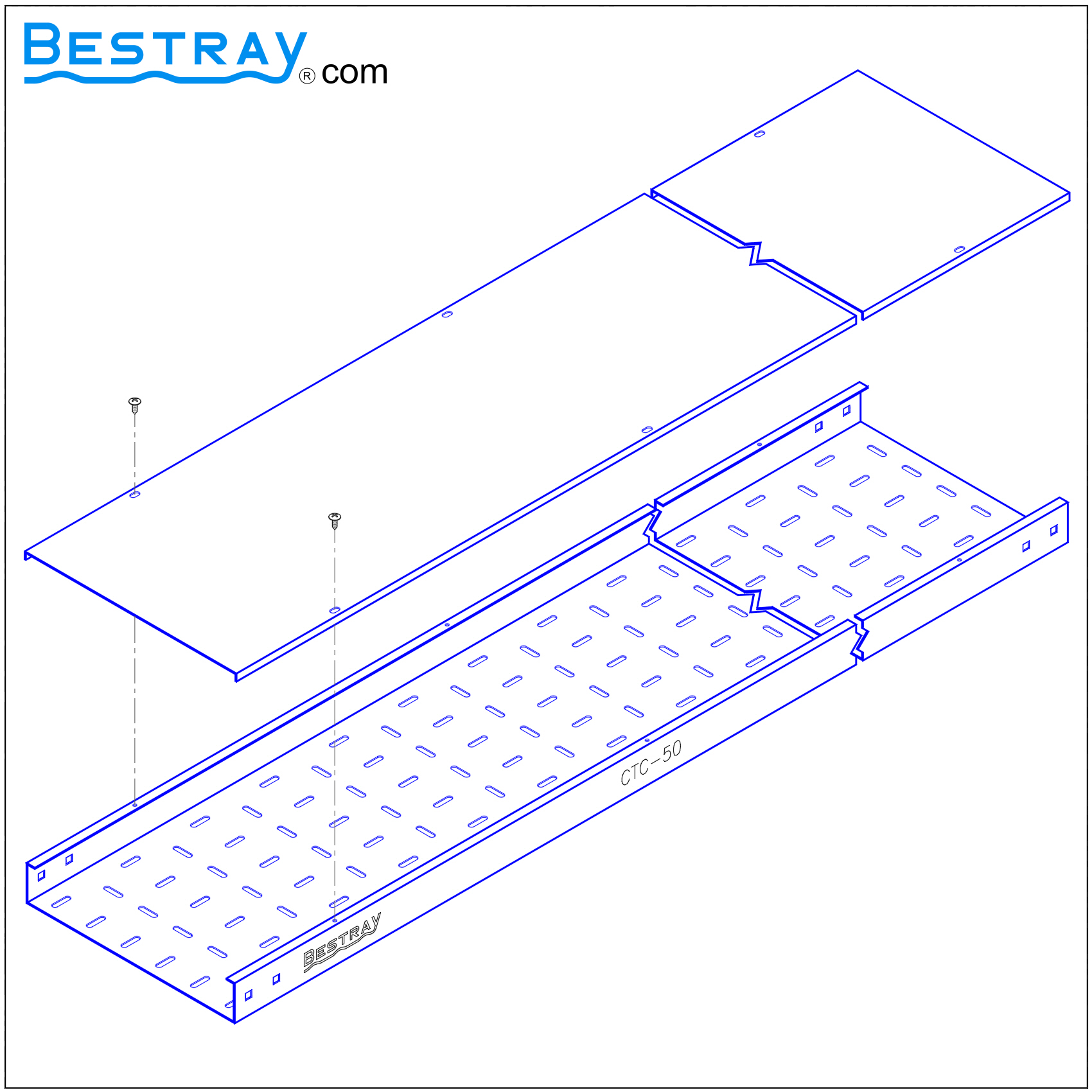
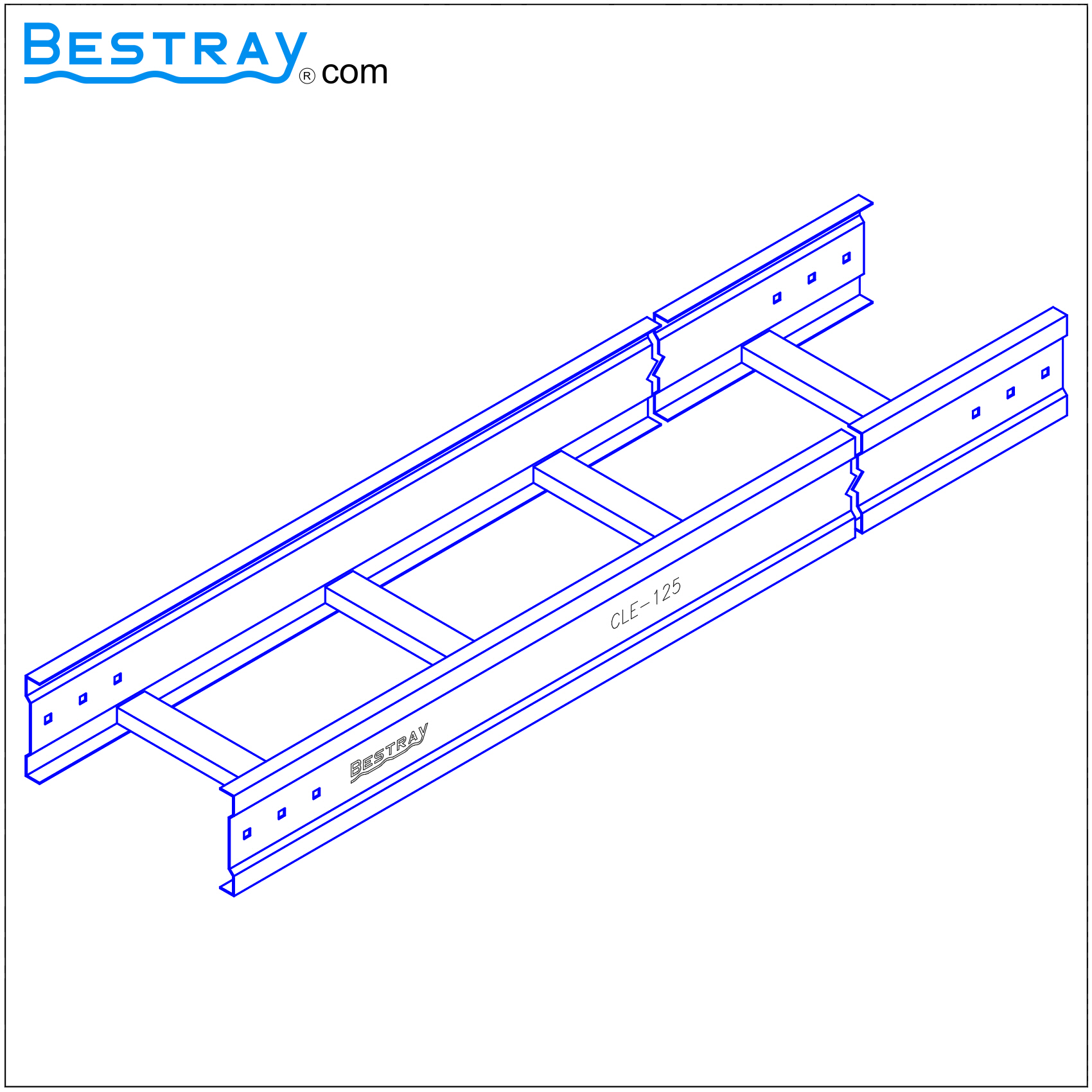
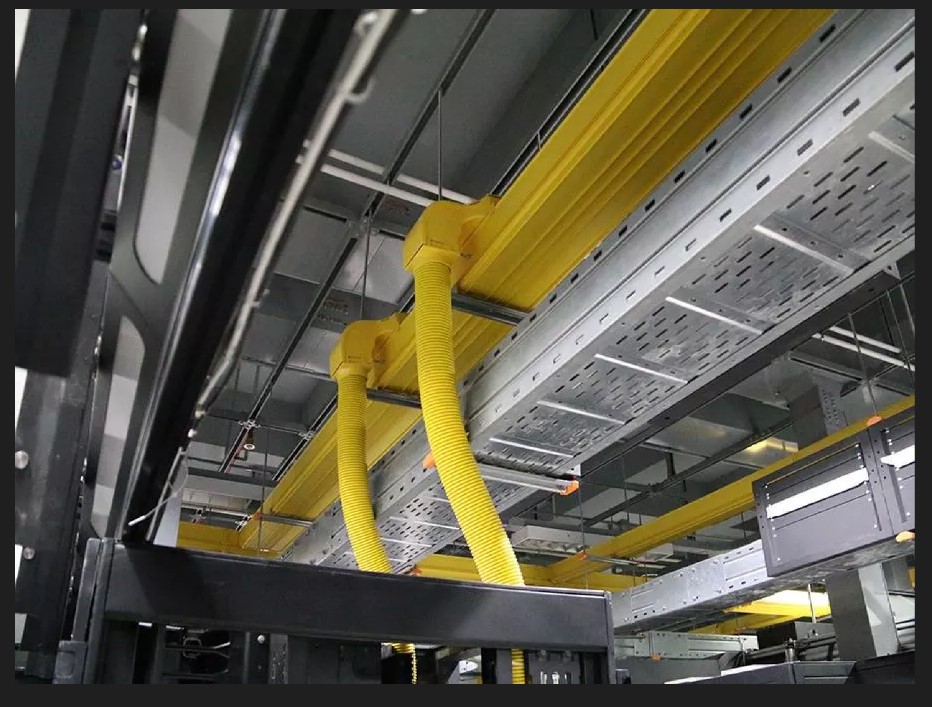
- The cable management system [cable trunking, cable ladders, cable trays, wire mesh trays] serves to neatly route connecting cables between sensors, actuators, and controllers while protecting the cables from damage, thereby ensuring rapid and accurate data transmission.
3 – Operating principle of the automatic control system
The operating principle of an automatic control system is a key factor in understanding how the system automates processes. By grasping this principle, we can fully leverage the system and optimize both performance and work quality.
- Step 1: Receiving signals from the sensor: During this stage, the sensor collects information about the environment or the system’s state. These signals are then sent to the controller.
- Step 2: Signal processing and decision-making: The controller receives the signal from the sensor, processes it according to pre-programmed algorithms, and then makes a decision regarding the action to be taken.
- Step 3: Controlling the actuator: Based on the controller’s decision, the actuator performs the corresponding actions—such as adjusting the motor position, opening or closing valves, or operating pumps—to achieve the set objective.
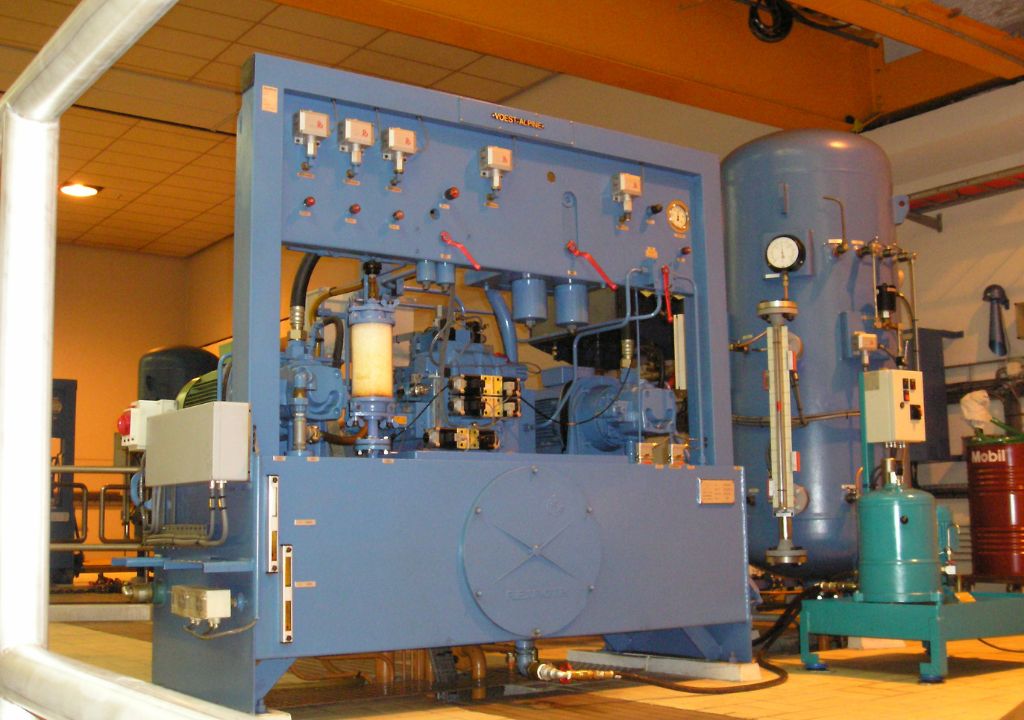
By simply understanding these three steps, we can grasp the fundamental principles of an automatic control system and how it operates.
4 – Implementing an automated control system for the enterprise
To fully leverage the benefits of an automated control system, implementing it within the enterprise is an essential step. This not only enhances operational efficiency but also yields long-term benefits by saving time and resources.
- Assessing needs and objectives: First, the business needs to clearly define the needs and objectives that the automated control system will serve. This helps ensure that the system is designed and installed in alignment with the business’s specific requirements.
- System selection and design: Based on the identified needs and objectives, the enterprise will select and design a suitable automated control system.
- Deployment and installation: This stage involves installing and configuring the automated control system in the actual operating environment, including the installation of wiring and related equipment.
- Testing and evaluation: After installation, the system will be tested to ensure it operates exactly as intended. Evaluation also helps identify any issues that need to be addressed.
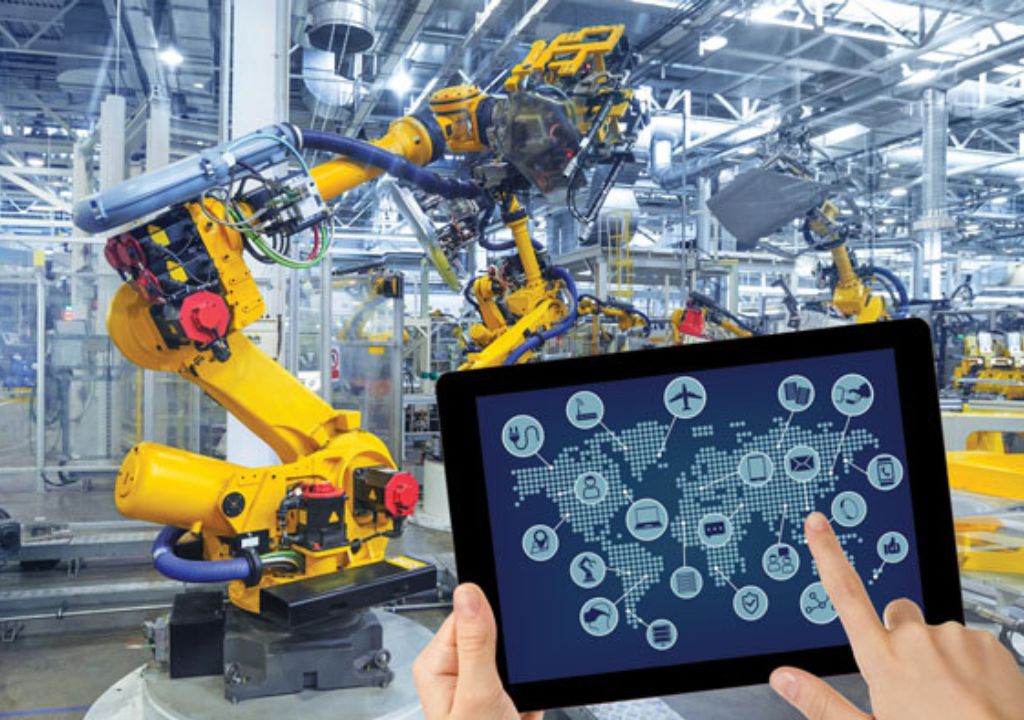
With a clear and organized process for implementing an automated control system, businesses can maximize the benefits the system offers while minimizing potential risks and issues.
5 – Challenges and related issues
While automated control systems offer numerous benefits to businesses, it is undeniable that their implementation and use also entail certain challenges and issues. Below are some key points to consider when implementing automated control systems:
- Costs: Installing and maintaining an automated control system requires a significant financial investment. Businesses need to carefully consider their financial capabilities before deciding to implement such a system.
- Reliability: It is essential to ensure that the system operates reliably and stably. This requires a high-quality wiring system and suitable control equipment.
- Staff training: The use of automated control systems may require specific technical skills and knowledge. Businesses need to train their staff so they can effectively operate and manage the system.
- Security: Automated control systems, particularly those connected to a network, can become targets for security threats. Protecting the system against cyberattacks and data breaches is a critical factor to consider.
By understanding these challenges, businesses can better prepare for the implementation of automated control systems, ensuring they can fully leverage the benefits these systems offer.
6. Conclusion
Automated control systems have become an integral part of many modern industries and service sectors. They not only boost labor efficiency and production output but also offer numerous other benefits, such as reducing accident risks and enhancing the ability to monitor and control production processes.
However, the implementation and use of automated control systems require careful consideration. Factors such as costs, reliability, staff training, and security issues represent significant challenges that businesses must address when deploying these systems.
All of this necessitates meticulous planning and professional execution. By fully understanding these factors, businesses can maximize the benefits of automated control systems while minimizing the risks and difficulties associated with their implementation and operation.

——————————————————————————————
Bestray Joint Stock Company – Specialized Manufacturer of Cable Trays and Cable Trunking
- Address: 180/7B, Tan Thoi 3 Hamlet, Hoc Mon Commune, Ho Chi Minh City, Vietnam
- Phone: (028) 3713 3076 – 078 453 1668 – 0909 089 678
- E-mail: sales@bestray