





Mass Production Systems: Concepts, Benefits, and Practical Applications
Mass production has become a vital component of business operations for many enterprises today. Driven by continuous technological advancements and modern manufacturing methods, mass production offers significant benefits, such as increased productivity, consistent product quality, and enhanced market competitiveness. To gain a deeper understanding of mass production and its advantages, let us explore the details in the following article.
1. An Overview of Mass Production
Mass production is the process of manufacturing finished goods in large quantities, utilized across various industries to meet high market demand. Below are the roles and importance of mass production for businesses:
- High efficiency: Businesses can improve performance and reduce production time using equipment designed for automated deployment, minimizing human intervention and thereby reducing errors and the need for adjustments.
- Quality Assurance: All production activities are carried out automatically based on pre-programmed instructions, ensuring consistency and uniformity in the quality of the finished products.
- Inventory Management: Controlling inventory levels enables businesses to make better decisions, minimize storage costs, simplify management, and rapidly meet customer demands.
- Production scale: The enterprise rapidly increases the volume of finished goods produced on a large scale in response to rising customer demand, without compromising quality or efficiency.
- Competitive advantage: Mass production enables businesses to seize market opportunities and compete effectively against rivals. The ability to produce rapidly and consistently at scale helps meet customer demand.
As is well known, mass production systems offer numerous benefits to businesses. Understanding the structure of the system enables businesses to make a wider range of decisions, including:
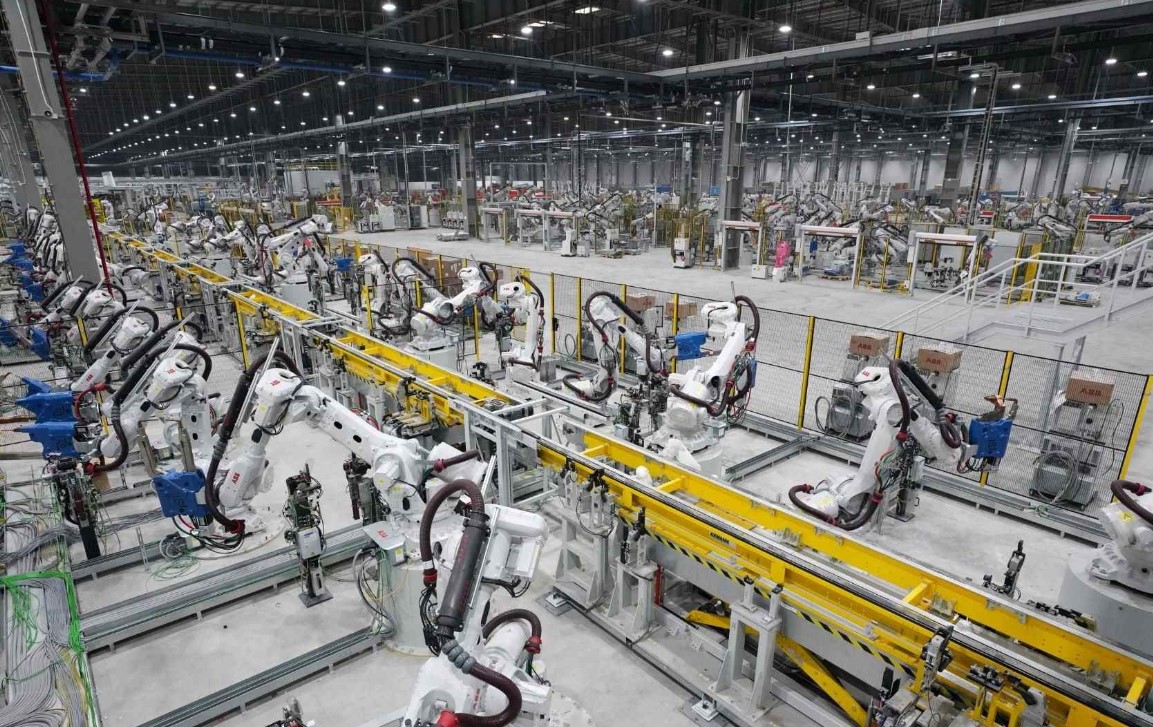
- Automated equipment and machinery are designed to perform tasks within the production process, spanning from the preparation stage to the finished product.
- The control system manages and regulates the production process to ensure consistency and precision—encompassing everything from the control of time, temperature, and pressure to automation workflows. It comprises hardware, such as controllers, and programmed software.
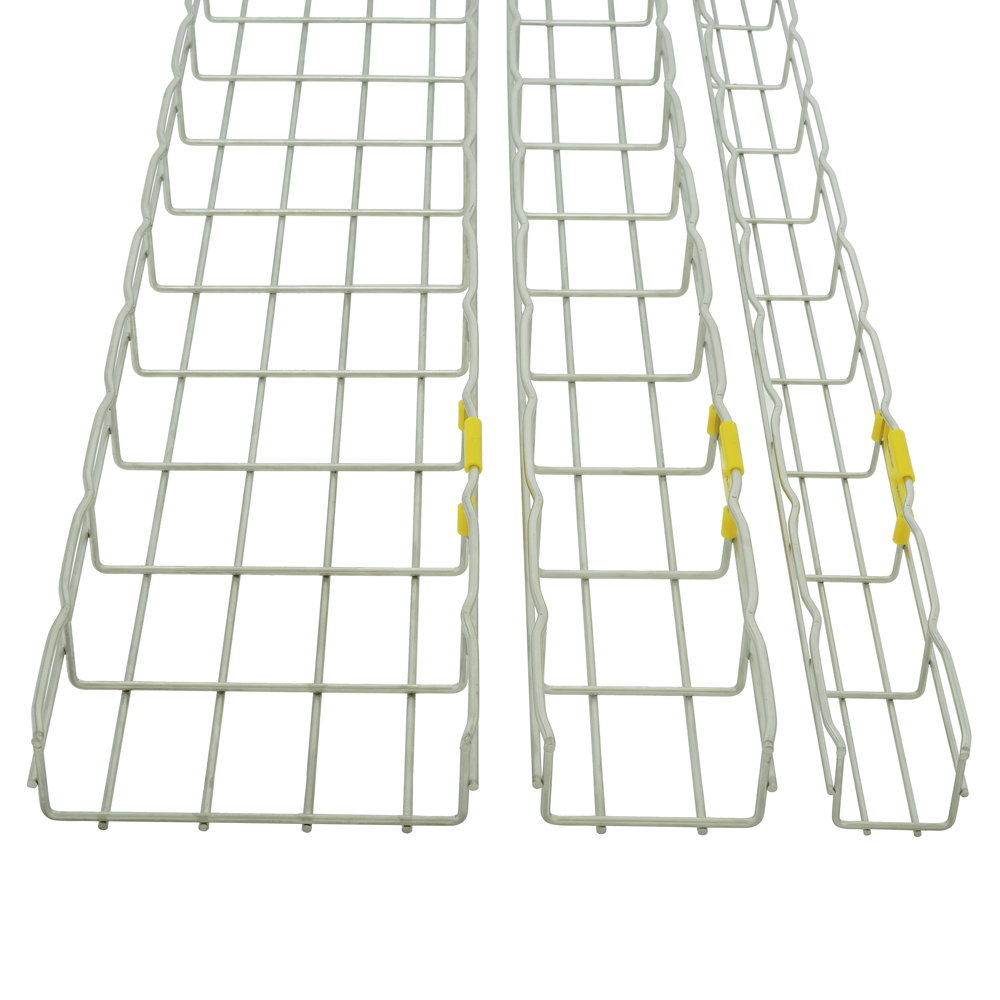
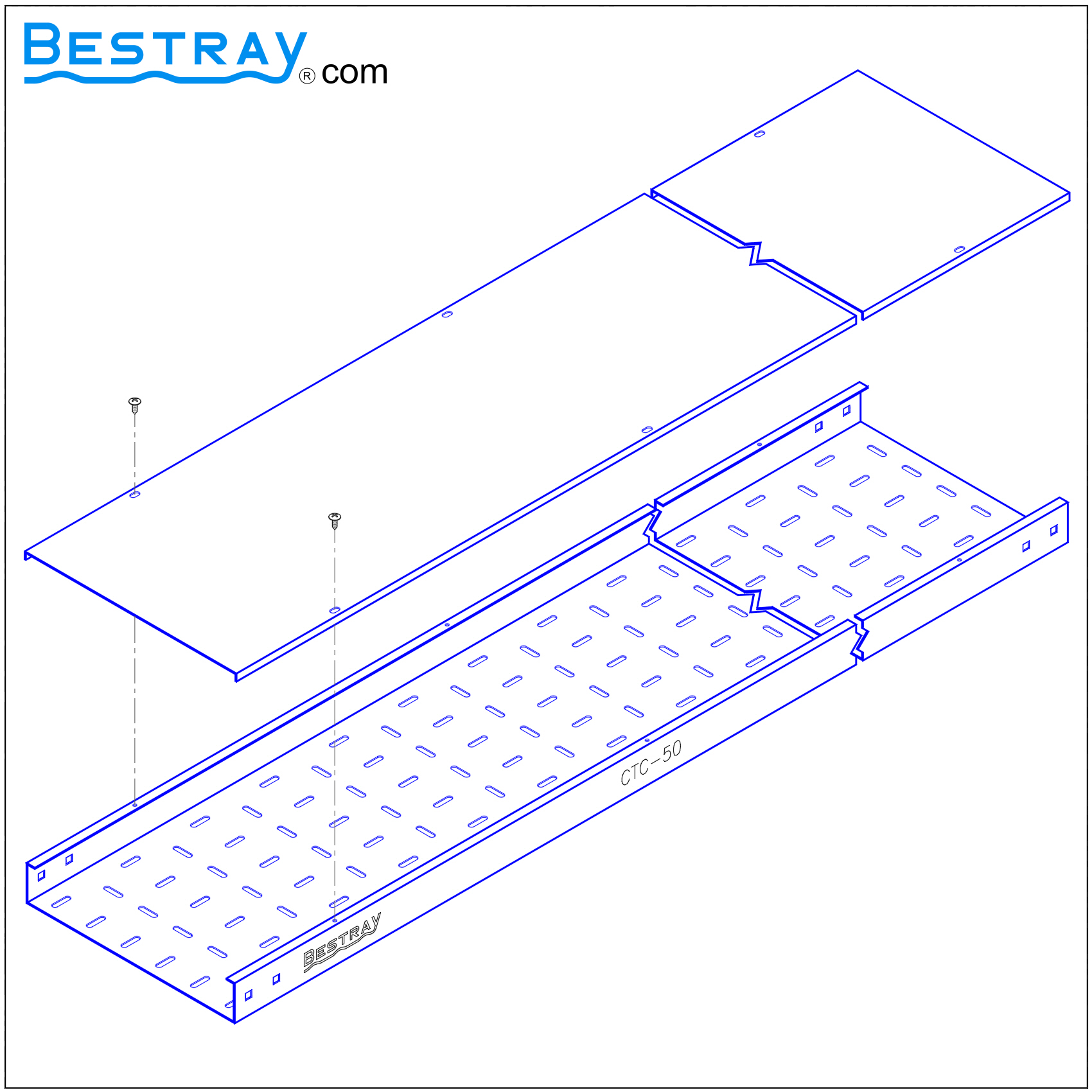
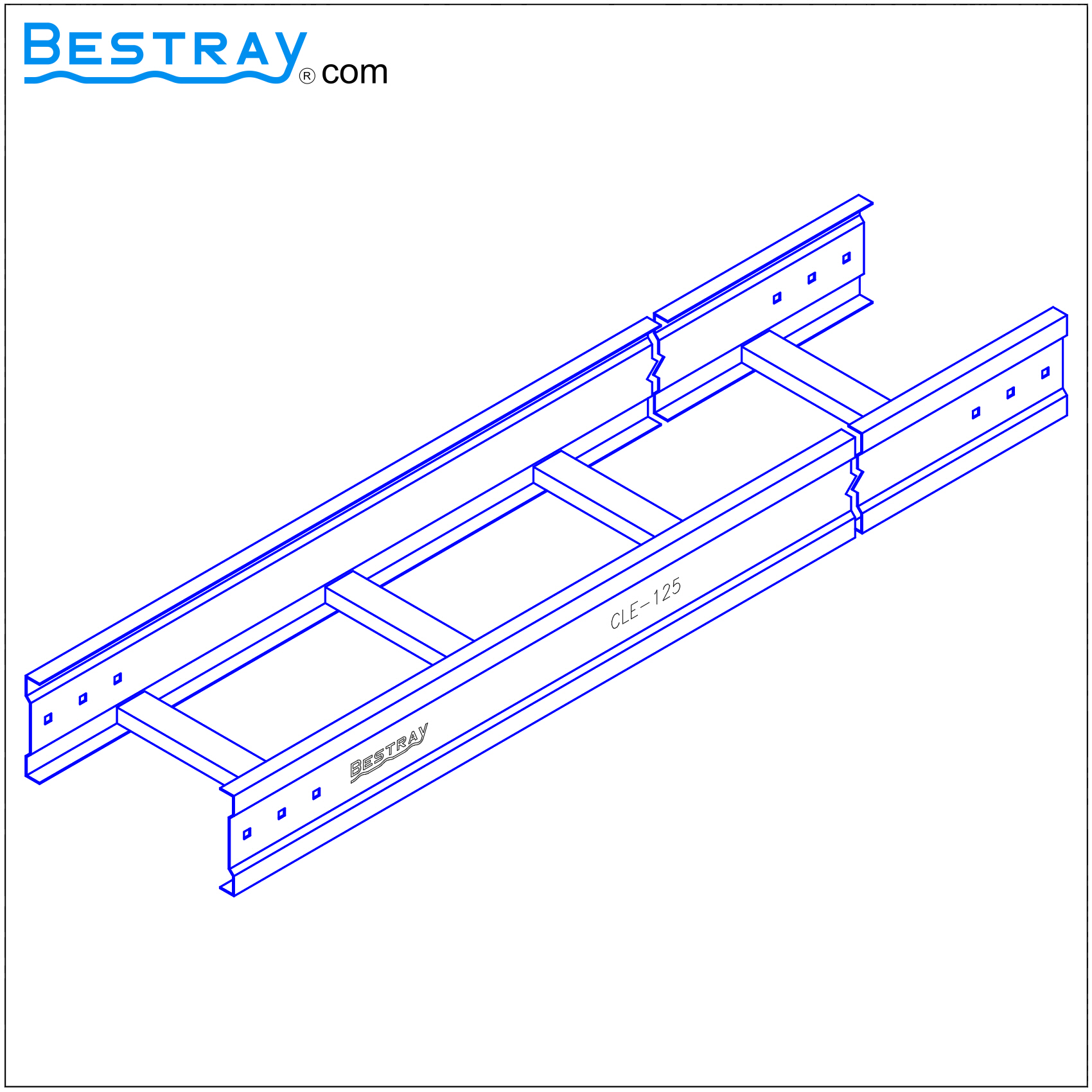
- Cable tray and wiring systems: In mass production processes, cable tray and wiring systems are used to route and protect electrical wires, cables, and other components. These systems help keep wiring neatly organized and protect it from damage and malfunctions during production.
2. Principles of mass production
In mass production, there are key design principles aimed at ensuring efficiency and product quality, optimizing manufacturing processes, enhancing automation, and maintaining consistency.
Below are some important principles that businesses commonly apply in mass production.
- DFM (Design for Manufacturing): This principle focuses on designing products to suit mass production processes. Product design must be evaluated to ensure efficient manufacturability, assembly, and inspection during production.
- Design for Automation (DFA): This principle focuses on designing products to facilitate automation during mass production. It employs elements such as standardized interfaces, flexibility, and design simplicity to enhance automation capabilities.
- Standardization: Employing standardization in mass production processes helps ensure product consistency and uniformity. Production procedures, materials, equipment, and other elements are standardized to achieve high efficiency and consistency in mass production.
- Simplification: This principle focuses on simplifying mass production processes to minimize waste and enhance efficiency. By eliminating unnecessary steps and optimizing workflows, businesses can achieve more efficient mass production.
- Balance: This principle emphasizes the balance among various factors in mass production, such as time, resources, technology, and quality. Ensuring that each factor is considered in a balanced manner helps achieve efficient and sustainable mass production.
- Continual Improvement: A principle encouraging businesses to continuously improve their systems and production processes in order to enhance efficiency, quality, and product competitiveness.
The aforementioned design principles play a crucial role in achieving efficient, high-quality mass production. By applying these principles, businesses can optimize their production processes and enhance their market competitiveness.
3. Implementing Mass Production for the enterprise
Before implementing mass production, it is essential to clearly define the concept and establish specific objectives. For a business, mass production entails the decision to manufacture large quantities of products using specific processes, standards, and scales of operation. Objectives for implementing mass production may include increasing productivity, reducing production costs, improving product quality, or expanding production capacity.
- Definition and implementation objectives: Before launching mass production, it is essential to clearly define the objectives and the implementation plan. This includes clearly outlining the scale, scope, and goals of the mass production project.
- Product analysis and selection: Next, it is necessary to analyze and select a suitable product for mass production. This process involves considering factors such as market potential, manufacturing capabilities, technical requirements, and necessary resources.
- Resource and capability assessment: To implement mass production, it is necessary to assess and ensure the availability of sufficient resources and capabilities to execute the mass production process. This involves identifying the required human resources, materials, equipment, and infrastructure.
- Planning and scheduling: To ensure efficiency and proper preparation for the mass production process, detailed planning and scheduling are essential. This involves defining production steps, allocating tasks, establishing production schedules, and identifying key milestones.
- Production system design and configuration: Subsequently, the production system must be designed and configured. This involves defining production processes, installing equipment and machinery, setting up control systems and software, and establishing the necessary technical specifications.
- Personnel training and quality management: Personnel training and quality management are critical factors in the implementation of mass production. This entails ensuring that employees are trained in production processes, workplace safety, and quality standards. It is also necessary to establish quality monitoring and inspection systems to ensure compliance and continuous improvement.
- Continuous evaluation and improvement: Finally, the mass production implementation process requires continuous evaluation and improvement to ensure efficiency and growth. By monitoring and assessing production results and gathering feedback from customers and employees, necessary improvements and adjustments should be made to enhance the production process.
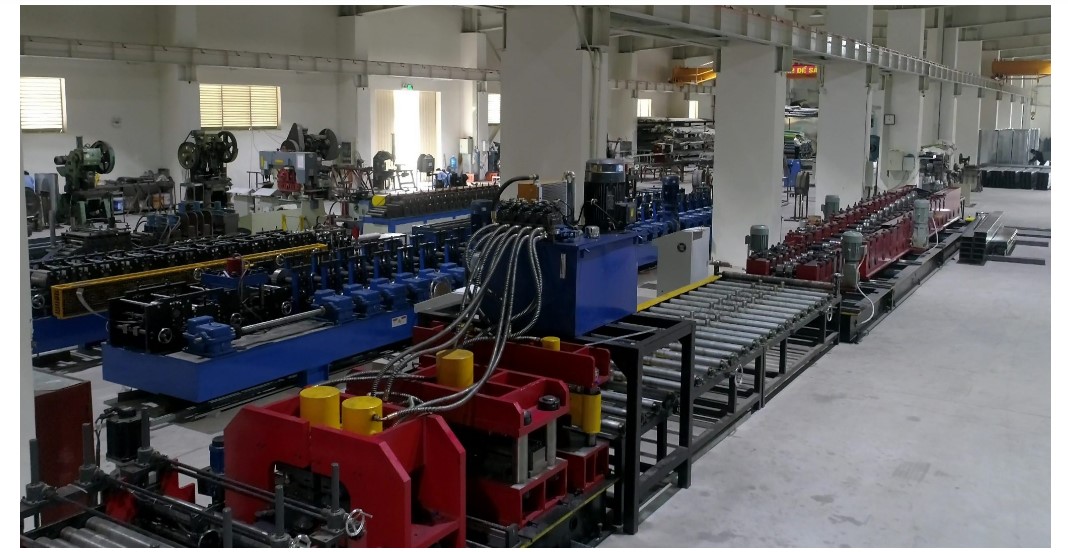
Implementing mass production is a complex yet highly beneficial process for businesses. It boosts productivity, enhances product quality, reduces production costs, and strengthens market competitiveness. However, ensuring a successful implementation requires attention to key factors such as defining objectives, analyzing the product, assessing resources, planning, system design, personnel training, and continuous improvement.
4. Considerations and risks associated with mass production implementation
During the implementation of mass production, it is important to be aware of potential risks and challenges. Recognizing and fully understanding these considerations and risks is crucial for ensuring a successful implementation. In this section, we will explore the common considerations and risks associated with implementing mass production.
- High initial investment costs: Implementing mass production requires significant investment in infrastructure, equipment, and production processes. This can place considerable financial pressure on businesses, particularly small and medium-sized enterprises.
- Low flexibility: Mass production typically prioritizes standardization and rigid processes, thereby limiting flexibility and the ability to make rapid changes to the production workflow. This can pose challenges when product modifications are required or when a quick response to market demands is necessary.
- Inventory management: Mass production can lead to a significant buildup of inventory due to the manufacturing of goods in large quantities. This necessitates an effective inventory management system to prevent waste and the prolonged stagnation of stock.
- Transition process: Implementing mass production sometimes requires a shift from traditional manufacturing methods to automated or semi-automated ones. This transition can be challenging and demands significant time and effort.
- Product Quality: Mass production can pose challenges regarding product quality. Maintaining consistent quality throughout the mass production process is a critical factor in ensuring that products meet quality standards and requirements.
- Compliance with regulations and standards: The mass production implementation process must adhere to regulations and standards regarding safety, quality, and the environment. Violating these regulations can lead to serious consequences and impact business operations.
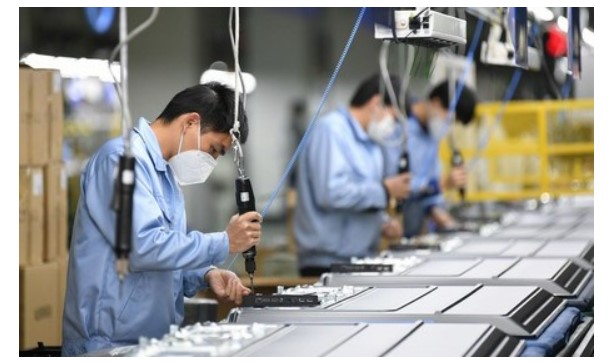
When implementing mass production, it is essential to be aware of key considerations and potential risks. Common challenges include high initial investment costs, limited flexibility, inventory management, transition processes, product quality, and regulatory compliance. However, with careful attention and effective management, these risks can be mitigated to ensure a successful and efficient mass production implementation.
5. New Technologies and Methods in Mass Production
In the field of mass production, technologies and methods are constantly evolving and advancing. New technologies and methods play a crucial role in enhancing productivity, efficiency, and production quality. In this section, we will explore some notable new technologies and methods in mass production.
- Automation: Automation technology is becoming increasingly prevalent in mass production. Automation systems reduce reliance on manual labor and boost production efficiency by utilizing equipment and machinery that operate according to programmed processes. This accelerates production speeds, minimizes errors, and enhances product consistency.
- Smart Connectivity Network (IoT): IoT is becoming a crucial technology in mass production. Devices and machinery within the production process are interconnected via an IoT network, enabling the automated collection of data and exchange of information. This facilitates improved management and control of the production process, enhances flexibility, and allows for rapid responses to process changes.
- Artificial Intelligence (AI): AI plays a crucial role in mass production, particularly in optimizing manufacturing processes and forecasting demand. Through machine learning and algorithms, AI can analyze data, identify patterns, and generate predictions. This helps enhance efficiency, reduce errors, and ensure greater consistency in mass production.
The above outlines several notable new technologies and methods in mass production. Adopting these technologies and methods can yield significant benefits for businesses in terms of efficiency, quality, and competitiveness. At the same time, progress in this field requires continuous investment and effort to keep pace with trends and fully leverage the potential of mass production.
6. Conclusion
Mass production is a crucial and highly impactful process for businesses. It is a highly efficient manufacturing method that boosts productivity, ensures quality, and enhances market competitiveness.
By utilizing automated machinery and equipment, control systems, automated production workflows, and advanced technologies and software, mass production improves operational efficiency and minimizes errors. It also enhances flexibility in meeting market demands and managing inventory.
In summary, mass production plays a vital role in boosting efficiency, ensuring quality, and fostering business competitiveness. However, potential risks must be considered and managed to ensure successful implementation. Driven by technological advancements, mass production continues to evolve, creating new opportunities for growth.

——————————————————————————————
Bestray Joint Stock Company – Specialized Manufacturer of Cable Trays and Cable Trunking
- Address: 180/7B, Tan Thoi 3 Hamlet, Hoc Mon Commune, Ho Chi Minh City, Vietnam
- Phone: (028) 3713 3076 – 078 453 1668 – 0909 089 678
- E-mail: sales@bestray