


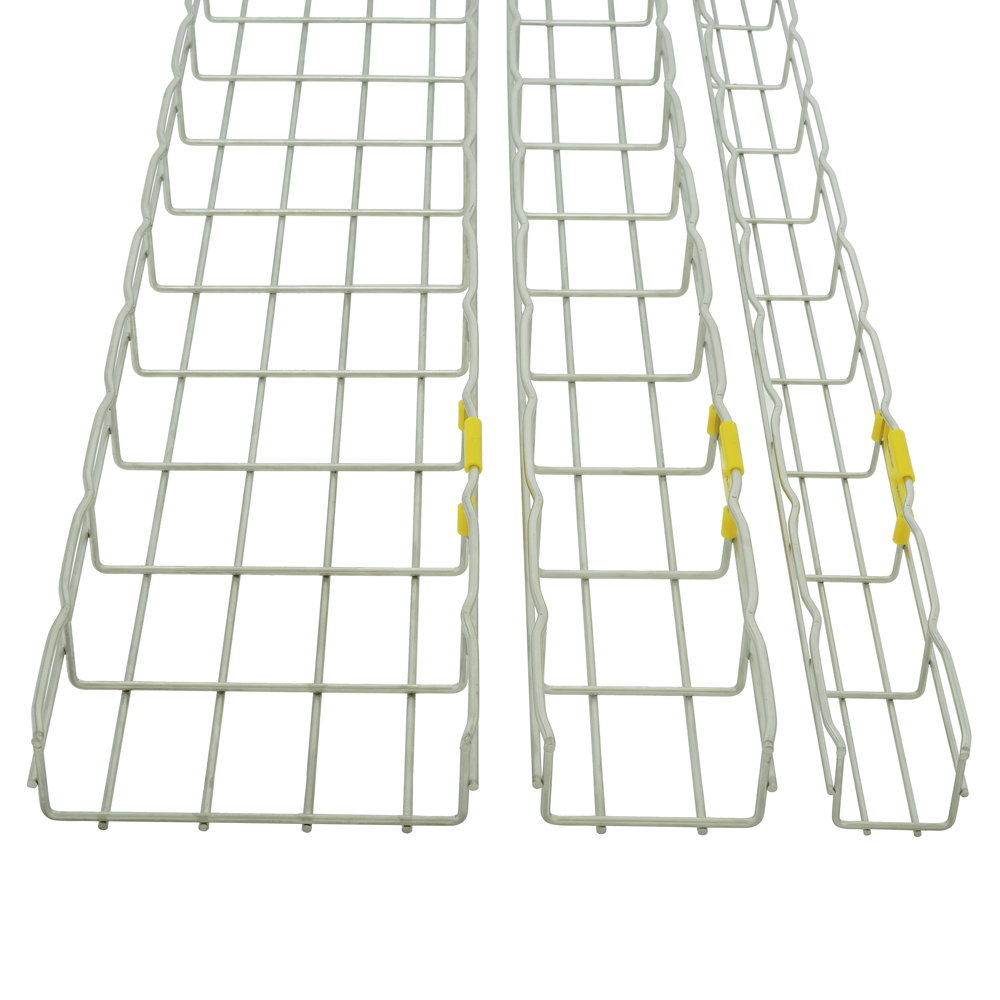



Thang Máng Cáp Mạ Kẽm Nhúng Nóng So Với Nhôm.
Material selection is one of the most critical decisions when designing cable tray systems for corrosive or outdoor environments. While hot-dip galvanized steel cable trays (compliant with ASTM A123) have a long history of successful use, aluminum cable trays are increasingly becoming the preferred choice for M&E projects.
Aluminum is rapidly becoming the material of choice for cable tray systems. In an era of tightening construction budgets, why do engineers, contractors, and end-users opt for aluminum cable trays?
Although aluminum cable trays often have a slightly higher initial cost than hot-dip galvanized steel versions, the answer lies in the numerous advantages aluminum offers regarding design, installation, delivery, performance, and total lifecycle cost.
1. Design and Installation
Design:
Most people are aware of aluminum’s superior strength-to-weight ratio, particularly when installers have to carry and position cable tray sections.
Aluminum’s lighter weight can mean the difference between needing only two installers instead of four, compared to hot-dip galvanized cable trays.
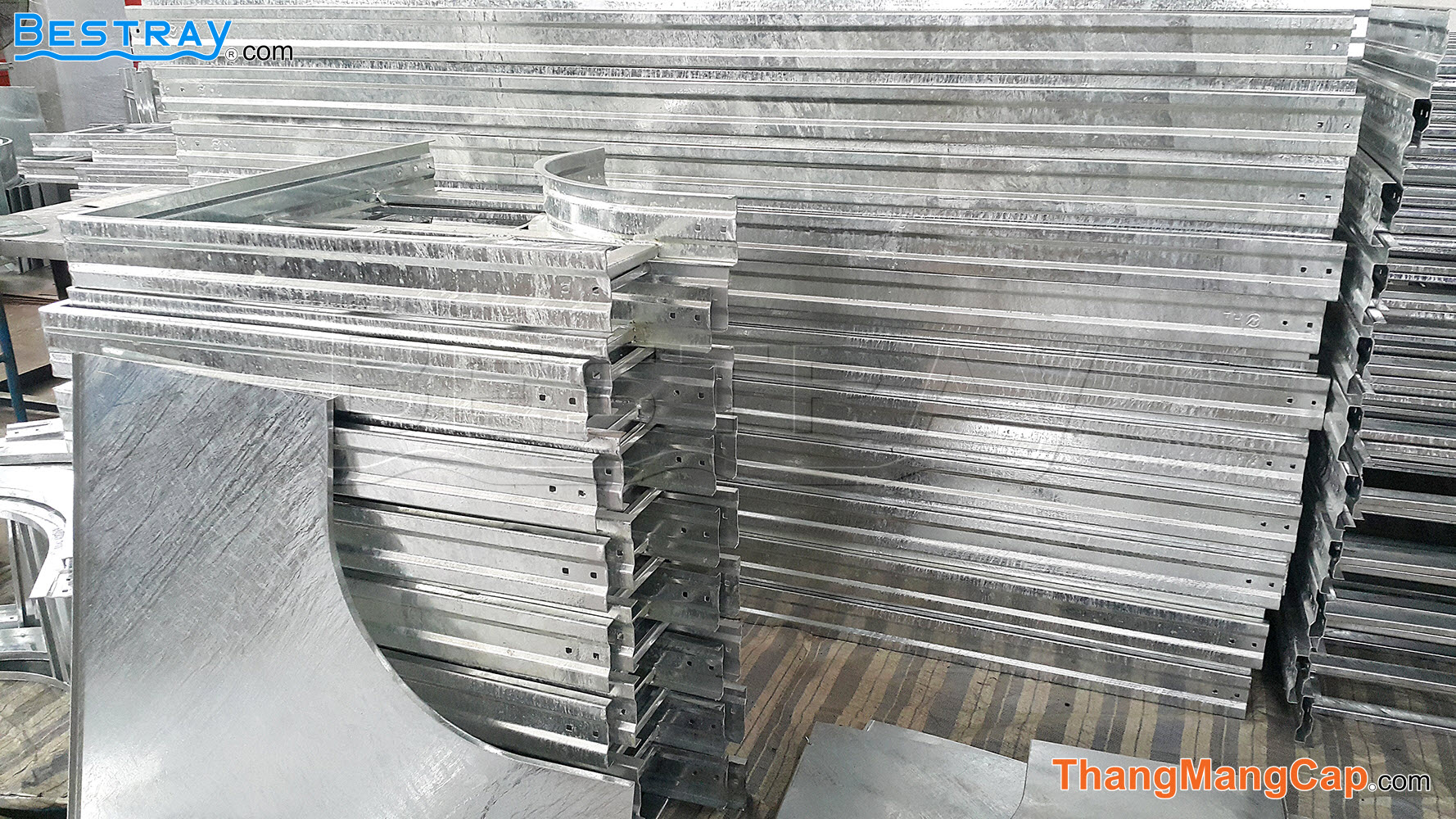
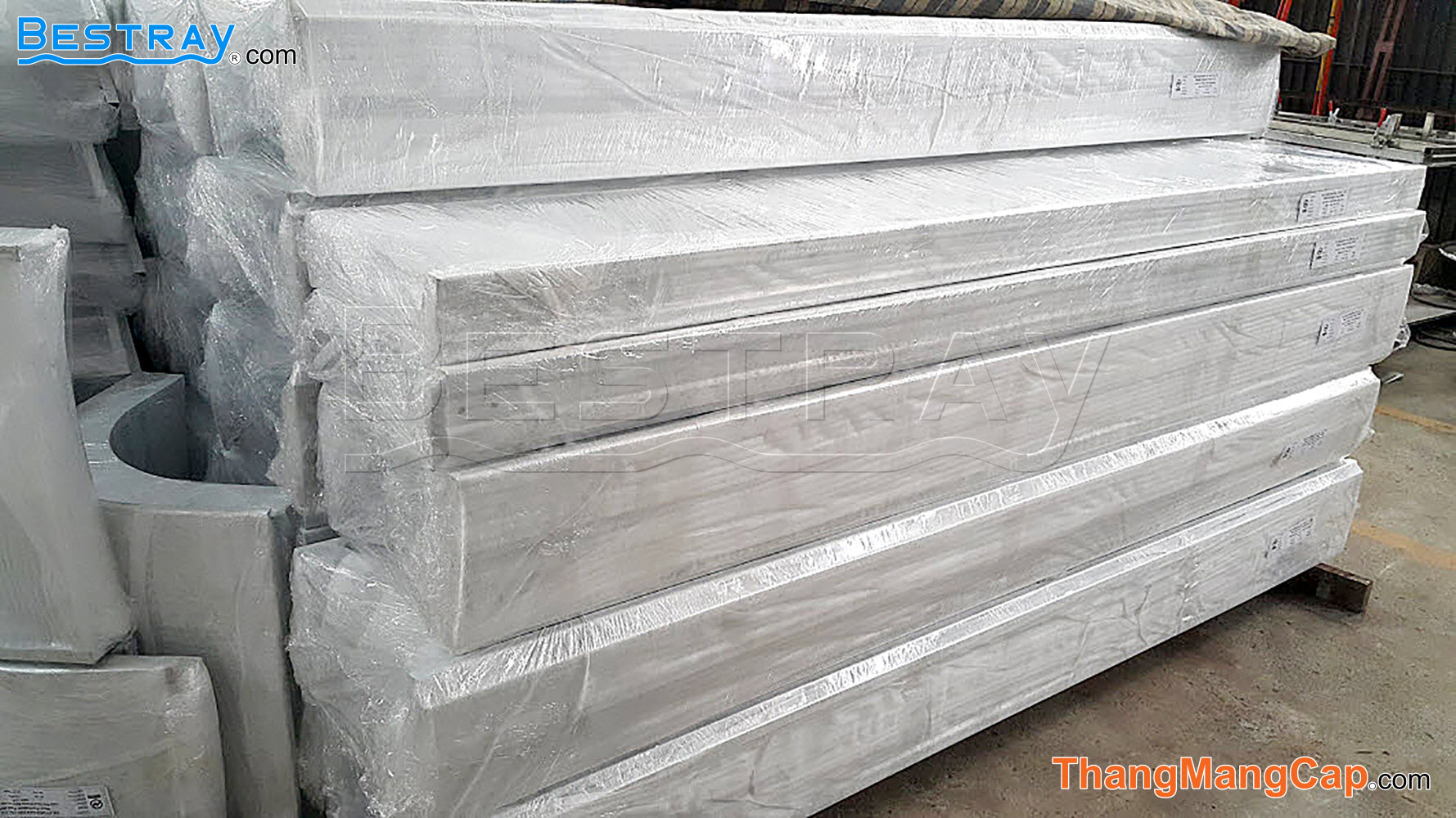
Installation:
On-site cutting is much easier with aluminum cable trays; not only is aluminum easier to cut, punch, and drill, but the exposed edges do not require a protective coating.
In contrast, hot-dip galvanized steel requires cut edges to be repaired with a zinc-based paint that is inferior to the original coating.
This compromises the steel’s protective outer layer against corrosion. Of course, there is always the possibility that some contractors might fail to repair the cut areas at all.
This further reduces the cable tray’s corrosion resistance.

Because aluminum cable tray components are extruded, the material can be utilized more efficiently, and tolerances can be kept tighter.
Some manufacturers have leveraged this to benefit contractors by designing specific joint systems. Other features of aluminum cable trays deliver superior performance and require less labor for installation.
2. Delivery and Availability
Aluminum cable tray system:
Shipment from the factory can be arranged within a short timeframe.
Small orders can be delivered in just a few days.
This depends on the manufacturer’s current workload.
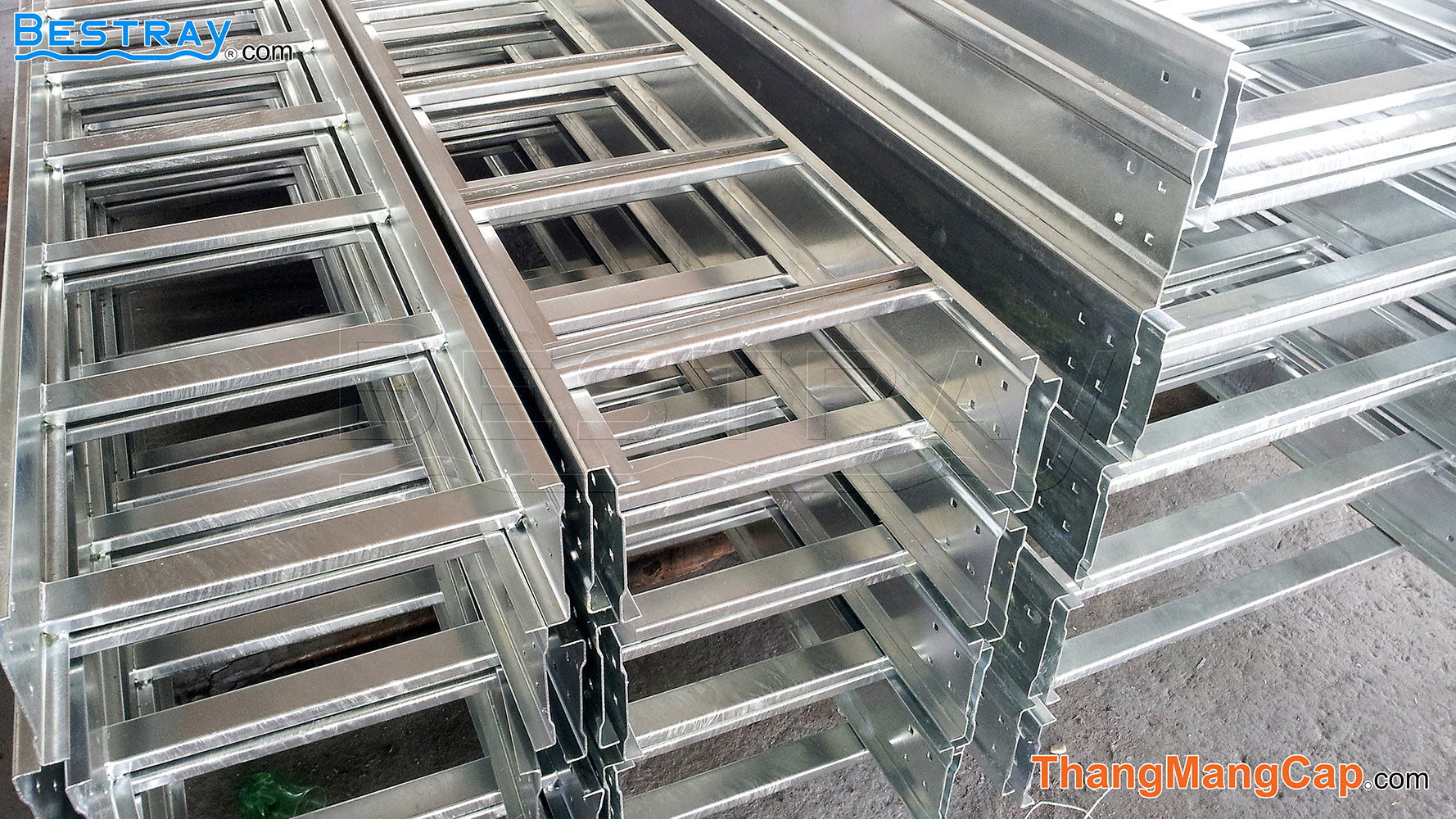
Hot-dip galvanized cable tray system:
It usually takes a few days for fabrication.
It will then be hot-dip galvanized.
Preparing the shipment for packing.
Hot-dip galvanizing process – pre- and post-galvanizing inspection:
All cable ladder and tray manufacturers must send their products to a third party for hot-dip galvanizing.
This requires the cable trays and ladders to be manufactured and transported to a hot-dip galvanizing facility.
The manufacturer requires time to conduct an initial inspection and remove defective products before shipping them for hot-dip galvanizing.
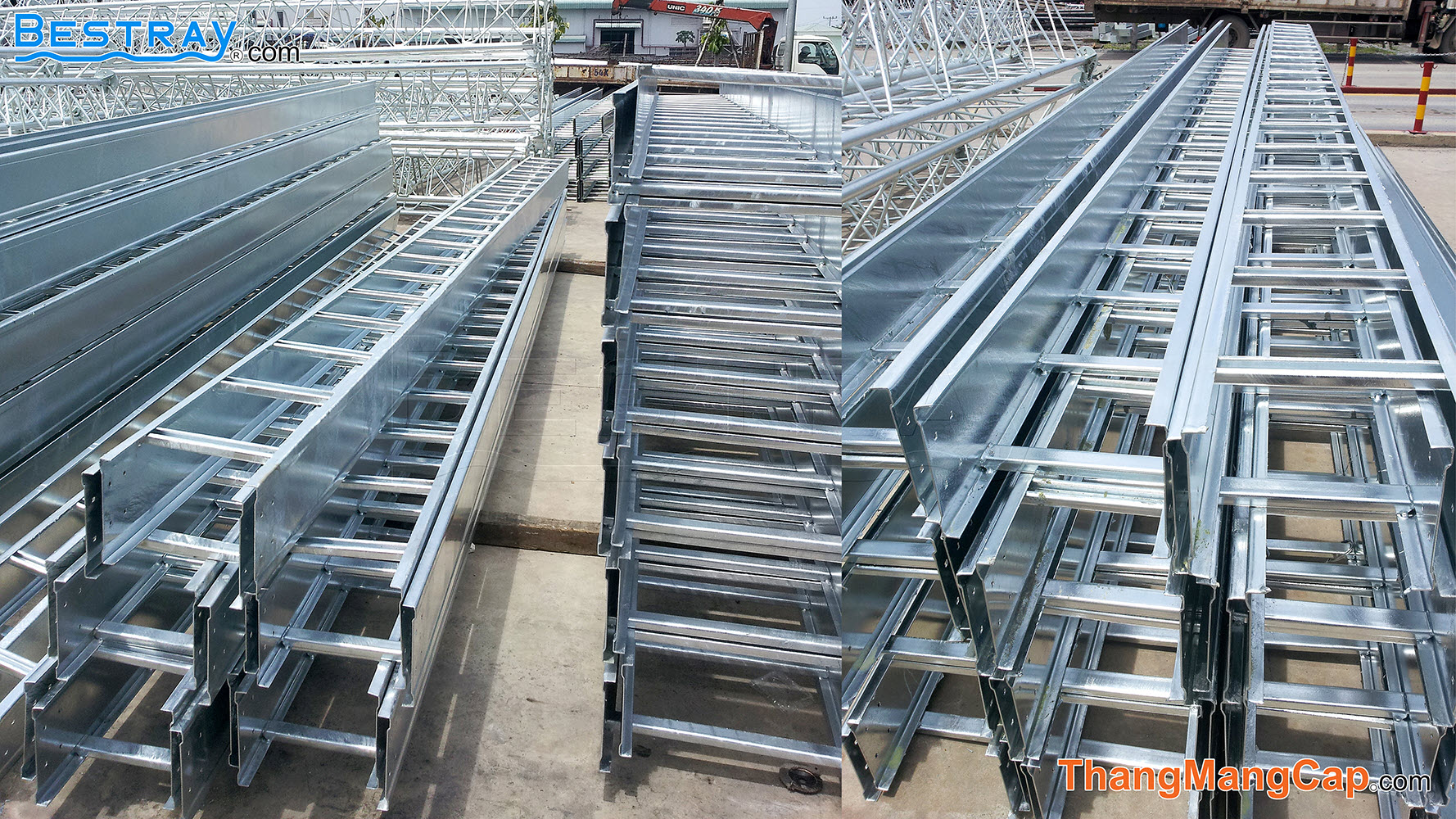
After the products have been galvanized, the manufacturers collect them.
Afterwards, they will conduct a second inspection to remove defective products, such as those that are warped or distorted.
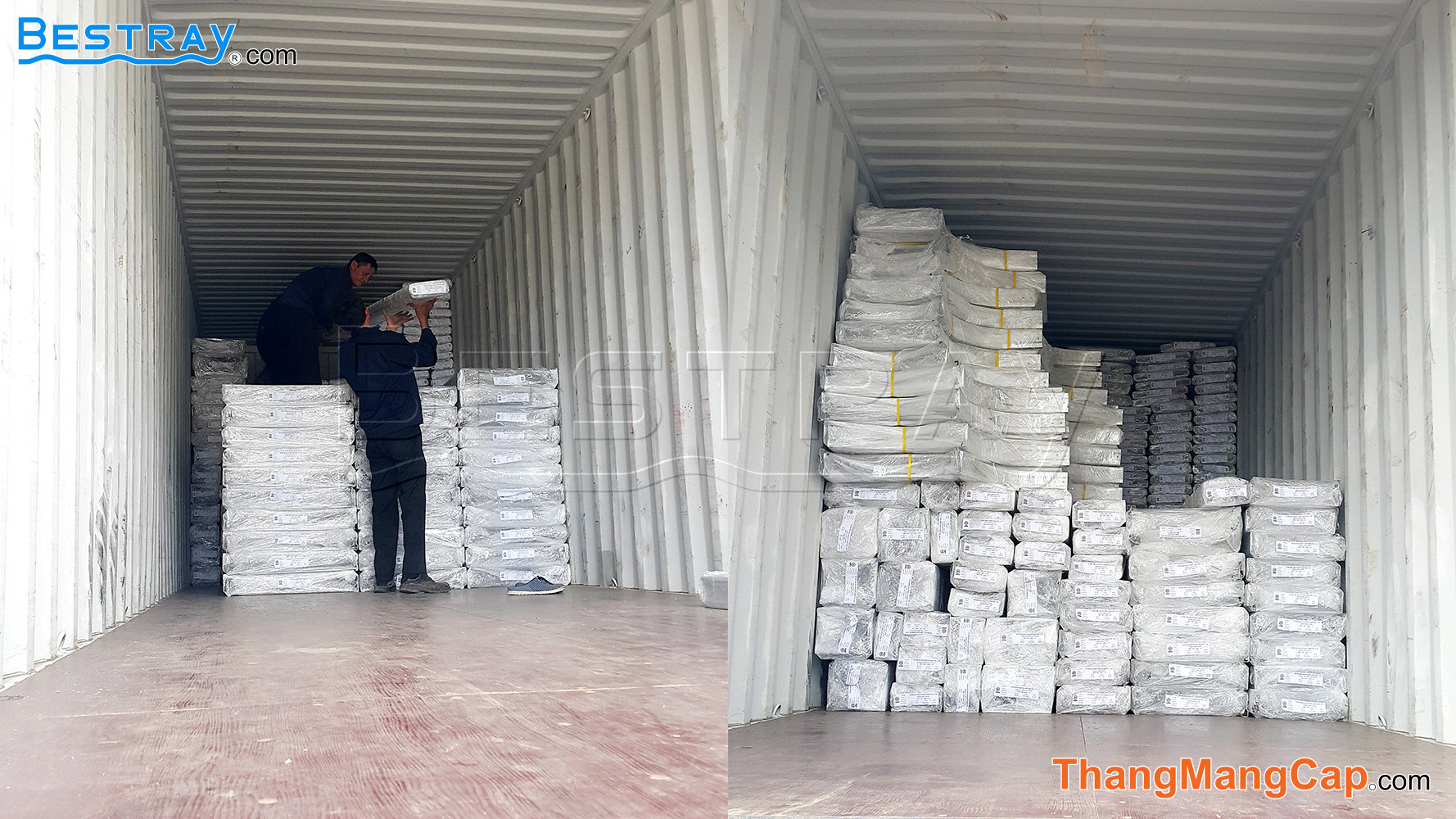
And packaged before delivery.
The cost associated with delays in delivering hot-dip galvanized materials to the construction site is many times higher than the cost of using aluminum materials.
And using aluminum cable trays helps minimize the risk of schedule delays.
Hot-dip galvanized steel cable tray covers present yet another issue.
Immersing thin-gauge steel cable tray covers in a hot-dip galvanizing bath typically causes the steel to warp.
To avoid this issue, thicker materials are used. This has a significant impact on the cost of the entire cable tray system.
3. Performance
Aluminum cable trays offer excellent corrosion resistance in a wide range of chemical environments. They have been used for over thirty years in petrochemical plants and paper mills.
Although copper-free aluminum may experience some defects due to chlorides in marine environments, this corrosion is limited and does not compromise the structural integrity of the system.
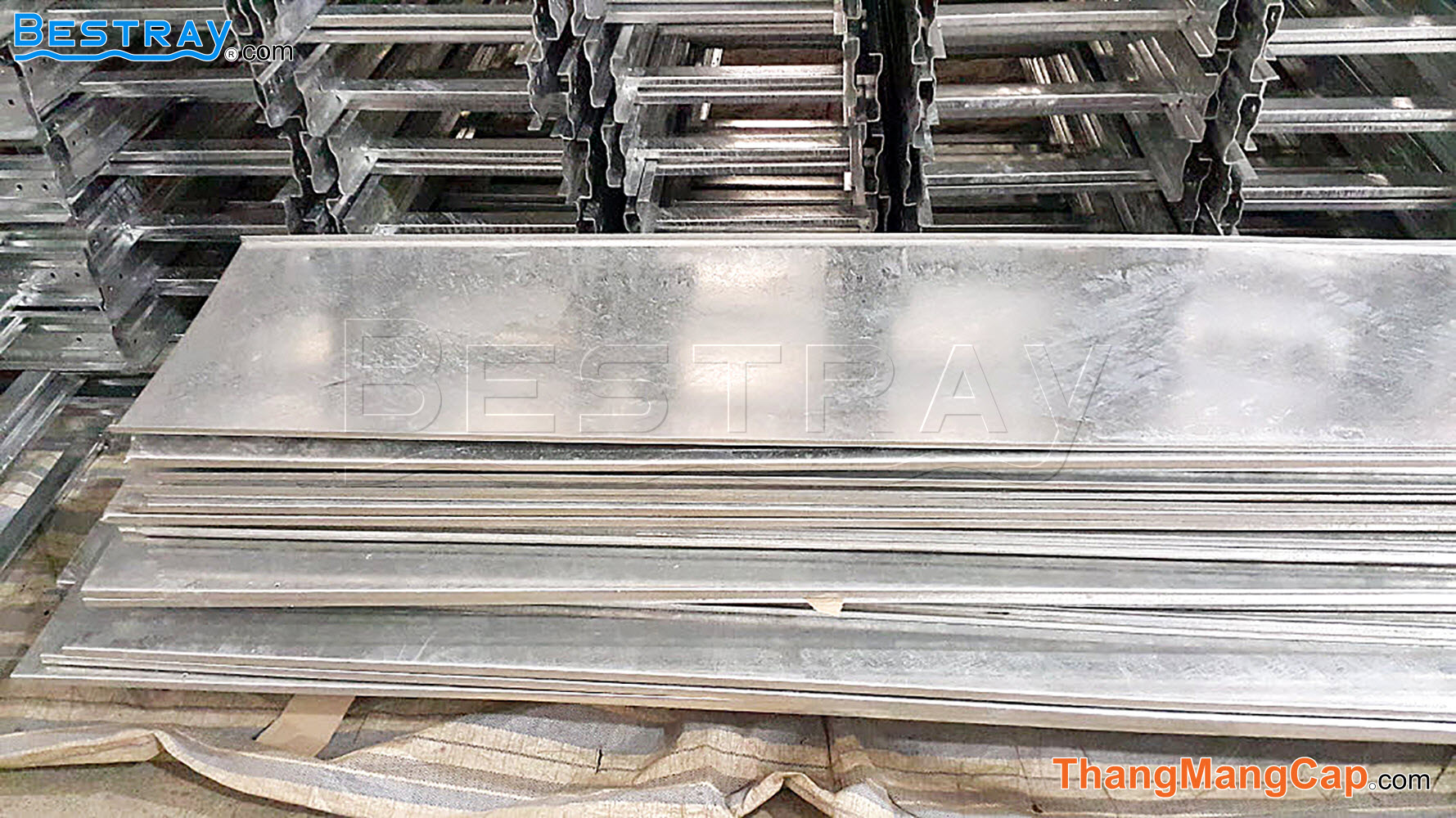
The zinc coating on steel cable trays gradually wears away as it protects the steel; therefore, any areas where the coating is thin or has been removed can limit the product’s service life.
Since aluminum cable trays are made of a homogeneous material, their service life is not affected by scratches or modifications—such as cutting and assembly—made on-site.
When aluminum cable trays are used with stainless steel cable trays, the system can operate indefinitely with little to no degradation over time, making it ideal for various chemical and marine environments.
4. Total cost
Many superior properties of aluminum, such as:
- Corrosion resistance
- Superior payload-to-weight ratio
- Easily modifiable on-site
- Rapid distribution.

——————————————————————————————
Bestray Joint Stock Company – Specialized Manufacturer of Cable Trays and Cable Trunking
- Address: 180/7B, Tan Thoi 3 Hamlet, Hoc Mon Commune, Ho Chi Minh City, Vietnam
- Phone: (028) 3713 3076 – 078 453 1668 – 0909 089 678
- E-mail: sales@bestray