




What You Need to Know About Production Systems: From Selection to Operation
Production systems play a crucial role in creating product value and optimizing manufacturing processes. Through this article, Bestray Cable Tray aims to provide you with an overview of the concept and role of production systems, their structure, and how to select and install a suitable system.
A production system is the core of any manufacturing enterprise, playing a vital role in creating products to meet market demand. The defining characteristic of a production system is the integration of people, machinery, materials, and processes to produce a final product or service.
Below are some common types of production systems, along with their practical applications, advantages, and disadvantages:
Table of production system types
| Type | Practical applications | Advantage | Disadvantages |
| Continuous Production System | Continuous production of products with identical specifications. | High production speed, high reliability, low initial investment cost. | Difficult to modify the product; requires strict production management. |
| Job Shop Production System | Manufacturing specialized products with varying dimensions, quantities, and specifications. | Capable of manufacturing diverse and flexible products, creating high value for customers. | Slow production speed, high investment costs. |
| Continuous production | When the product has high stability and high demand | Optimize performance and reduce costs; suitable for products with unchanged specifications. | Difficult to modify or customize the product. |
For any production system, the ultimate goal is to create quality products, meet customer needs, and optimize production efficiency.
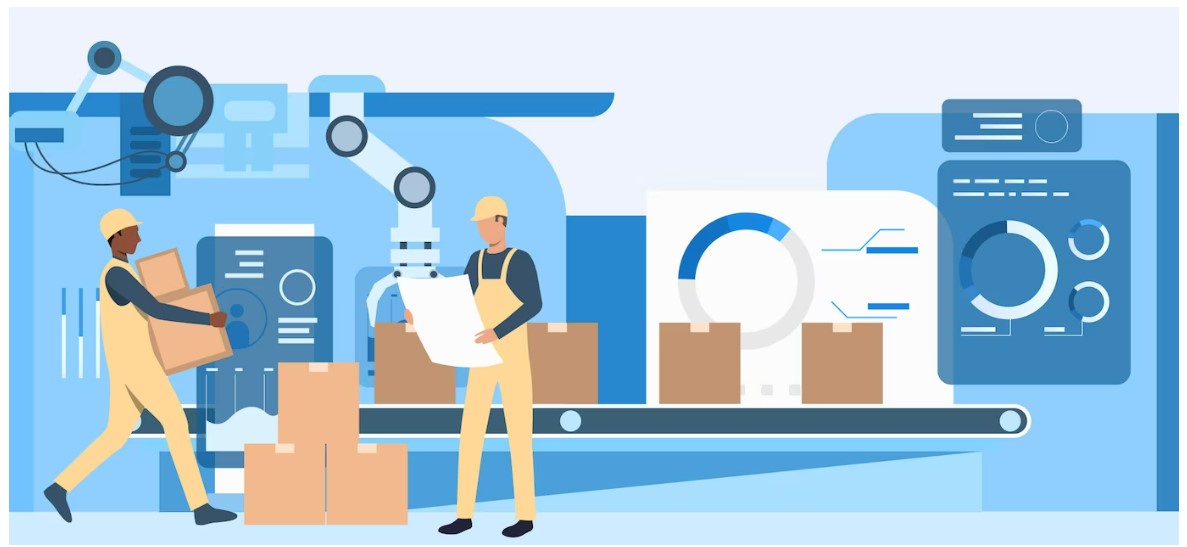
2. Structure of the production system
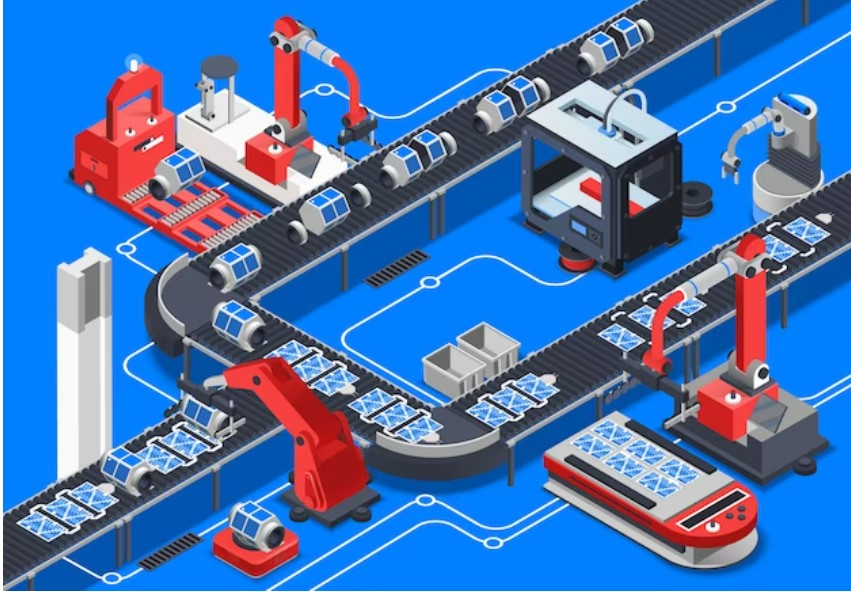
Each component of a production system plays an indispensable role in creating the final product. Consequently, establishing an efficient production system requires a deep understanding of how each component operates and how they interact with one another.
- Raw material supply system: Ensures that the necessary raw materials are always available for production. This may involve sourcing suppliers, managing inventory, and transporting materials to the factory.
- Processing system: Comprises processing machines, assembly machines, and packaging systems. The purpose of this system is to transform raw materials into finished products.
- Production monitoring system: Monitors the production process to ensure that products meet quality requirements.
- Production management system: Manages factory operations, including production planning, resource coordination, and performance monitoring.
- Safety and environmental protection system: Ensures personnel safety and guarantees that production operations comply with environmental regulations.
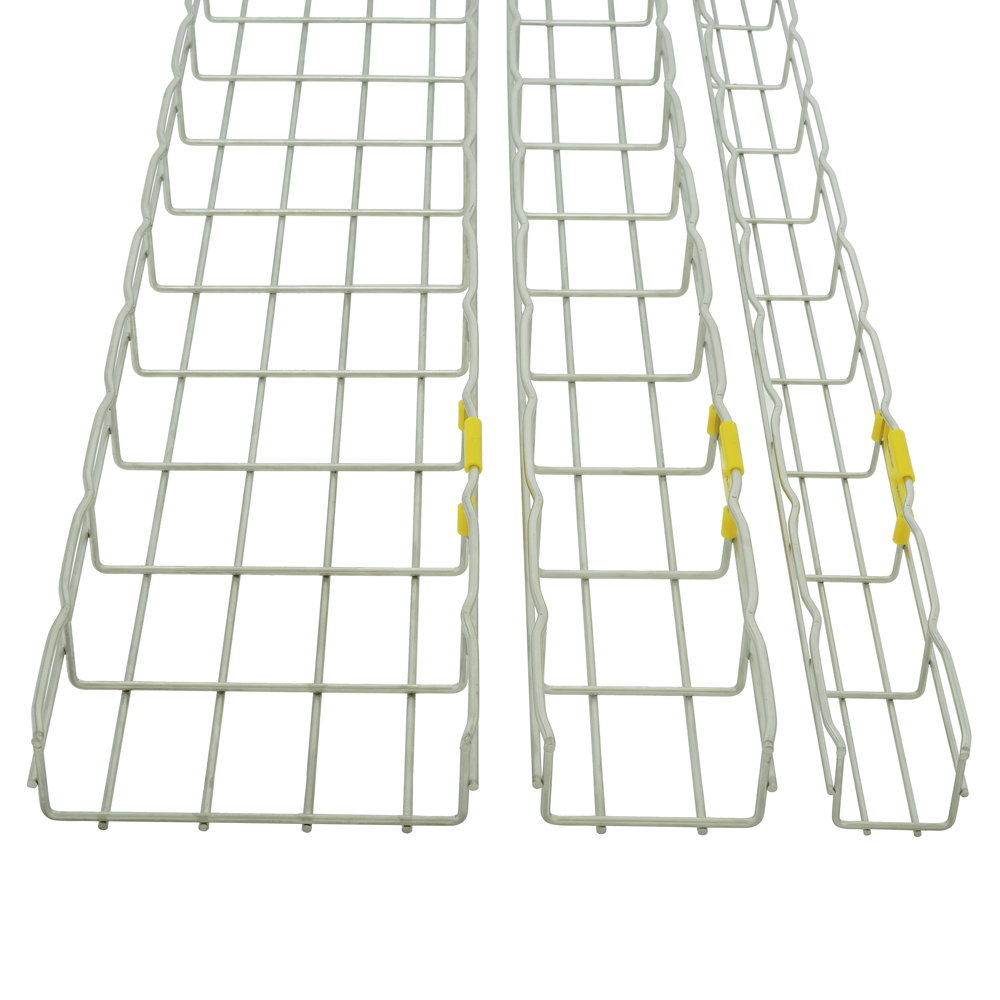
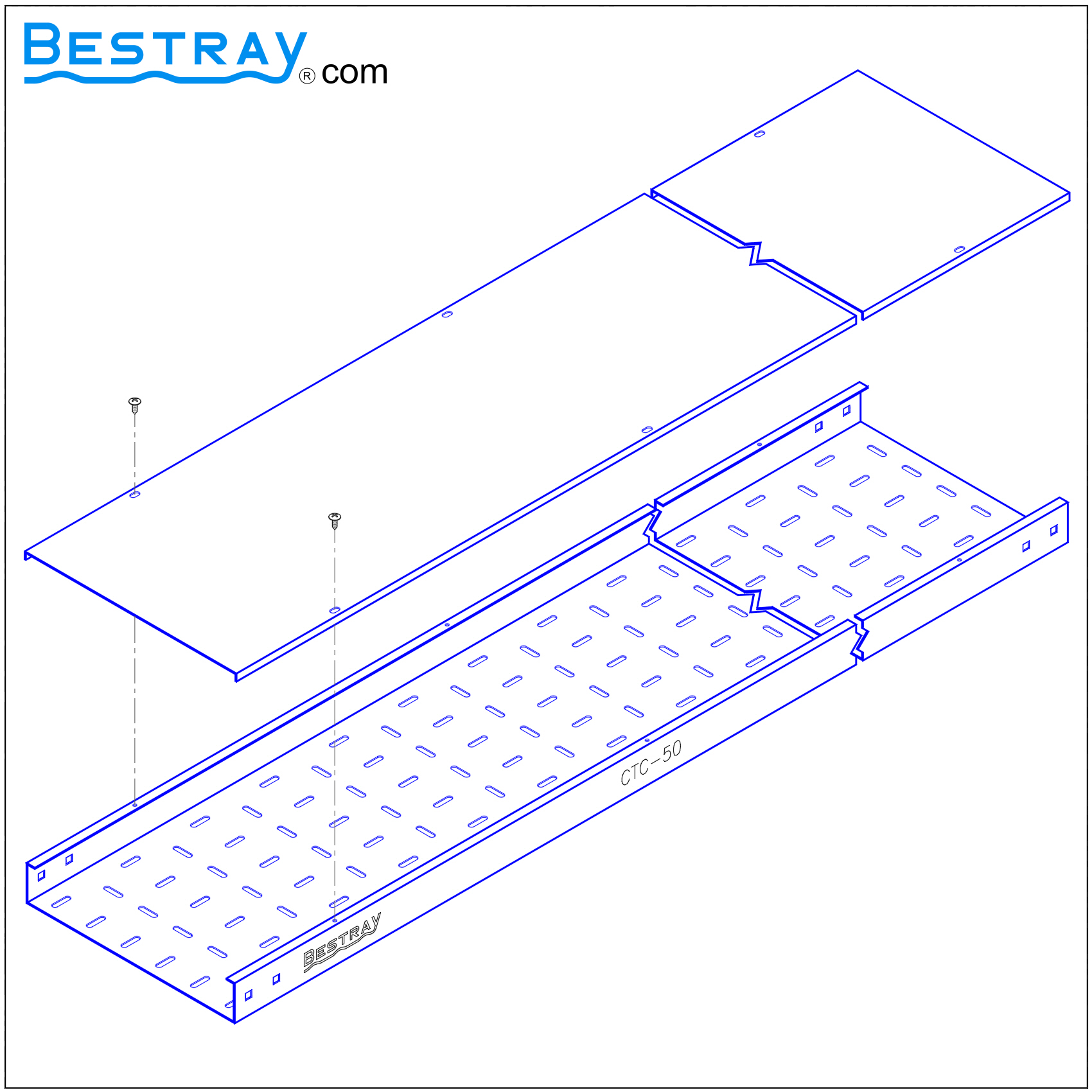
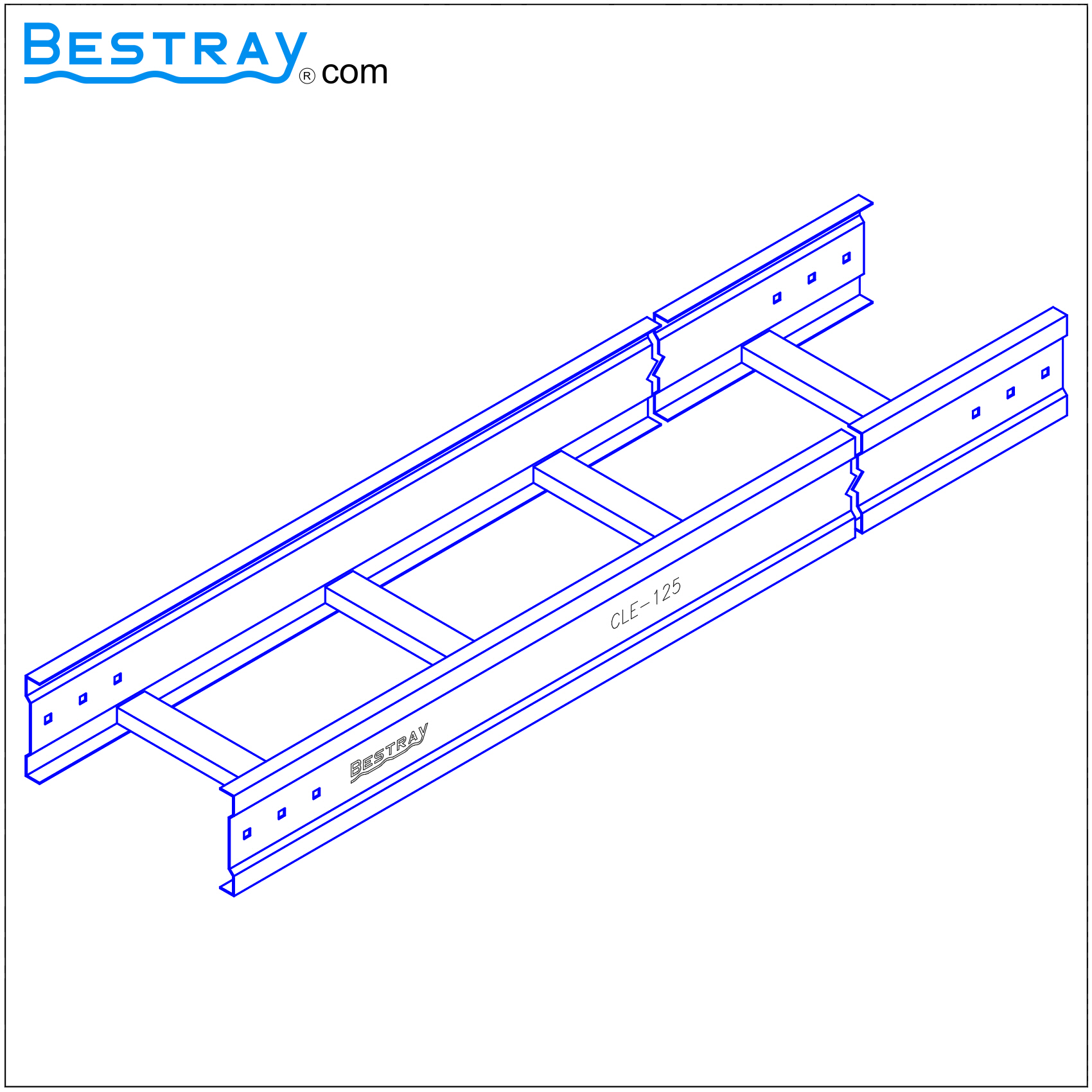
- Auxiliary cabling system: Comprising cable trunking, wire mesh trays, cable trays, and cable ladders, this system supports production operations by supplying electricity, compressed air, water, or coolant to the necessary machinery.
Above all, it is crucial to understand that a production system is not static. It requires continuous adjustment and improvement to keep pace with changes in technology, the market, and customer requirements. Therefore, grasping the structure of the production system is a prerequisite for effectively implementing such adjustments and improvements.
3. How to select and install the production system
The process of selecting and installing a production system requires meticulousness and careful consideration. The necessary steps are outlined below:
Determining production requirements: First and foremost, it is necessary to identify the type of product to be manufactured, the scale of production, and the product quality requirements. This helps in defining a suitable production system.
Studying production systems: Understanding the different types of production systems, along with their advantages and disadvantages, is crucial for making the right choice.
Selecting a supplier: Once your requirements are clearly defined, the next step is to find a reputable and experienced supplier of production systems capable of providing excellent after-sales service.
Planning the installation: Once a supplier has been selected, a detailed plan for the installation process must be developed, covering the timeline, budget, and workforce.
Infrastructure preparation: It is necessary to prepare all essential infrastructure, such as factory buildings, power lines, water and compressed air supply systems, and communication systems.
Production system installation: This is a critical step that requires precise installation of each piece of machinery and equipment.
** Note: For large-scale production systems, consider installing conductor protection systems—such as cable trunking, cable ladders, cable trays, or wire mesh trays—to prevent damage that could lead to system instability.
Staff training: Personnel must receive detailed instructions on the safe and efficient operation and maintenance of the production system.
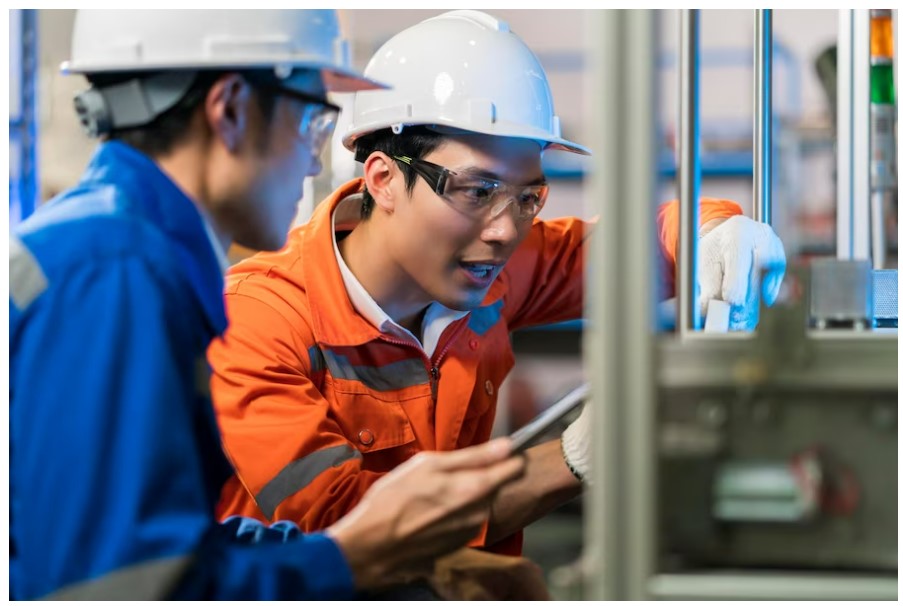
Inspection and adjustment: Finally, once the system has been installed, a thorough inspection is required to ensure everything is functioning exactly as intended.
4. Installation considerations for the production system
Installing a production system involves more than just purchasing machinery and equipment and assembling them; it requires meticulous attention to detail and strict adherence to safety and quality regulations. Below are some important considerations:
- Adhere to workplace safety regulations: Safety is the top priority in every production process. All activities—from installation and operation to maintenance—must strictly comply with workplace safety regulations. This not only protects the health and safety of workers but also minimizes risks associated with workplace accidents.
- Ensuring equipment and installation quality: The quality of equipment and installed facilities impacts not only production efficiency but also the durability and lifespan of the production system. Therefore, it is essential to ensure that all equipment and facilities meet standards and undergo rigorous inspection.
- Develop a periodic maintenance plan: Establishing a schedule for periodic inspections and maintenance ensures that all equipment is thoroughly checked and serviced on time. This facilitates the early detection and resolution of issues, helping to prevent unexpected breakdowns.
- Training equipment operators: Ensure that all operators are trained and familiar with the production system. This not only boosts production efficiency but also minimizes the risk of incidents.
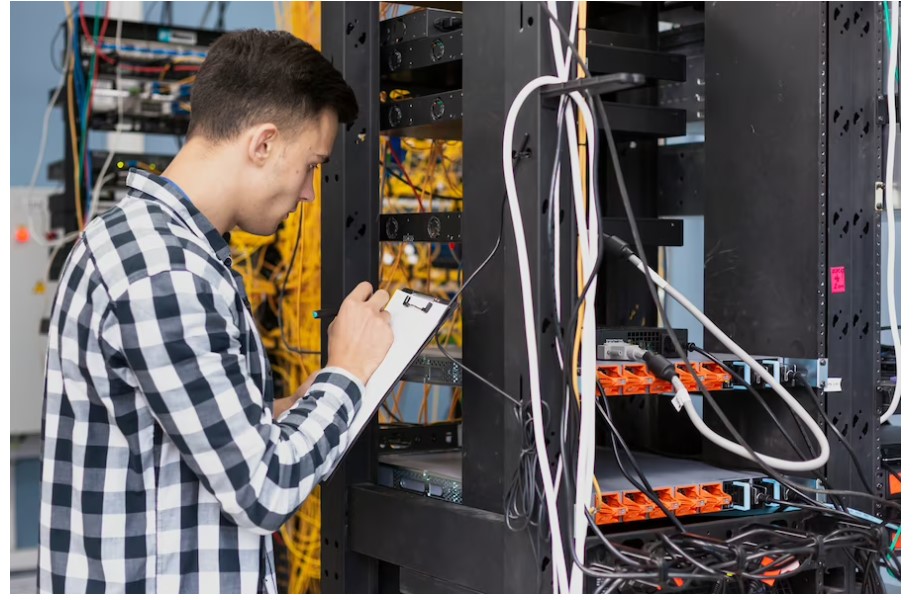
- Installation of cable management systems (cable trunking, cable ladders, cable trays, and wire mesh trays): These systems are crucial for protecting, supporting, and managing cables within production systems. They help minimize the risk of fire and system failures caused by cable issues, while also facilitating easier system maintenance and inspection.
Ultimately, installing a production system is not a one-time task; it requires continuous inspection, maintenance, and adjustment to ensure stable and efficient operation. Investing time and effort into this process not only boosts production performance but also leads to long-term cost savings.
5. Conclusion
For any manufacturing enterprise, identifying, selecting, and installing a suitable production system is of utmost importance. A high-quality production system not only yields superior products but also helps optimize workflows, boost efficiency, and reduce costs.
We have discussed the concepts and roles of production systems, the processes for selection and installation, and the critical factors involved in system operation and maintenance. Each step in this process demands care, precision, and professional expertise.
Clearly, investing in an efficient production system is a decision that yields significant long-term benefits for a business. Hopefully, this article has provided you with deeper insights into production systems and the key factors associated with them.
Continue to explore, share knowledge, and advance within the manufacturing sector. Finally, I wish you success in building and operating your own production system.

——————————————————————————————
Bestray Joint Stock Company – Specialized Manufacturer of Cable Trays and Cable Trunking
- Address: 180/7B, Tan Thoi 3 Hamlet, Hoc Mon Commune, Ho Chi Minh City, Vietnam
- Phone: (028) 3713 3076 – 078 453 1668 – 0909 089 678
- E-mail: sales@bestray